

Columbia Suboxone Clinic Blog
Is Kratom Illegal in Tennessee? Yes — HB1649 Is Now in Effect
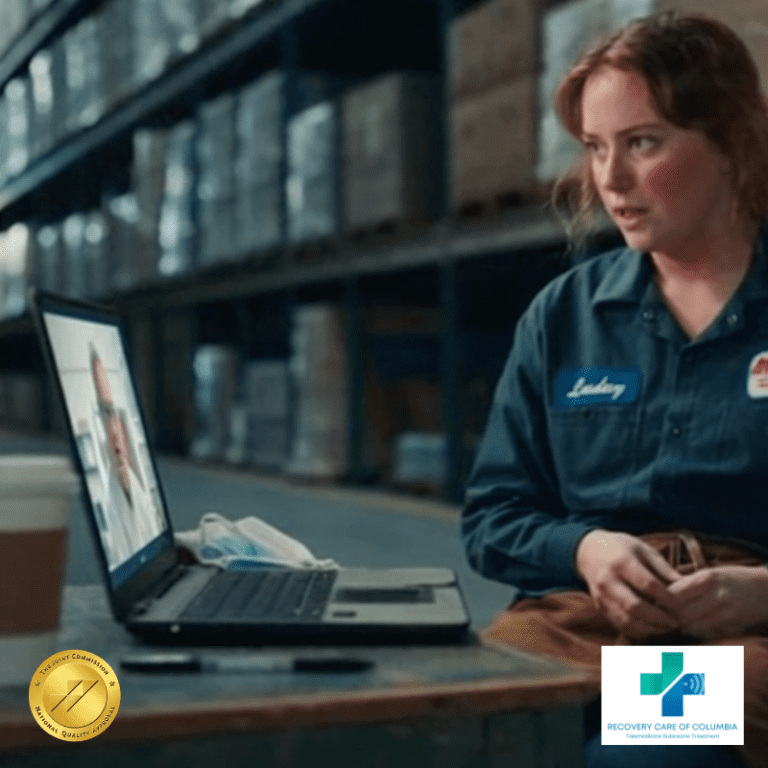
Kratom is now illegal in Tennessee. On July 1, 2026, House Bill 1649 — known as Matthew Davenport’s Law — took effect. The law makes kratom, 7-hydroxymitragynine (7-OH), and related products controlled substances in our state. If you or someone you love depends on kratom or 7-OH, this page explains what the law says, what it means for you, and how to get safe, judgment-free kratom and 7-OH addiction treatment from home — often with a same-day online appointment.
The Quick Answer: Tennessee’s Kratom Ban Is Now Law
For years, Tennesseans asked, “Is kratom legal here?” The answer used to be yes. That changed on July 1, 2026. Tennessee’s kratom ban bill (HB1649 and its Senate companion, SB1655) passed and is now in effect. The law is named Matthew Davenport’s Law, in memory of a young Tennessean whose family fought for this change.
Under the law, kratom and its key compounds are treated as controlled substances. That includes possessing, making, delivering, and selling these products. If you want the details on what this means legally, our post on the ban’s criminal penalties breaks it down in plain language. And if you used kratom before the ban, our guide on what kratom users need to do now walks through your options step by step.
The most important thing to know: help is legal, covered by insurance, and available today. Treatment with buprenorphine (Suboxone®) is an FDA-approved, fully legal medical path — and at Recovery Care of Columbia, it happens 100% by telemedicine. No clinic visits. No waiting rooms. No judgment.
What Is HB1649 (Matthew Davenport’s Law)?
HB1649 classifies the following as controlled substances in Tennessee:
- Mitragynine, the main active compound in kratom leaves
- 7-hydroxymitragynine (7-OH), a far more potent kratom compound
- Kratom plant material itself
- Kratom extracts, concentrates, and derivative products
The law took effect statewide on July 1, 2026. It applies everywhere in Tennessee — there are no county or city exceptions. Gas stations, vape shops, and smoke shops that once sold kratom shots and tablets can no longer legally sell them. Our article on how this legislation targets kratom and 7-hydroxy products covers the background of how the law came to be.
Why Tennessee Passed the Ban
Lawmakers did not act because of the traditional kratom leaf alone. Their concerns centered on how the market changed:
- High-strength kratom extracts became widely available in convenience stores
- Products with concentrated 7-OH grew far stronger than natural leaf kratom
- Reports of addiction, dependence, and withdrawal kept rising across the state
- Manufacturing and labeling had little oversight, so buyers rarely knew the true strength of what they were taking
We wrote about why lawmakers grew concerned about 7-hydroxy kratom products while the bill was still being debated. Those concerns are now written into law.
What Is 7-Hydroxymitragynine (7-OH)?
7-hydroxymitragynine — often shortened to 7-OH or “7-hydroxy” — occurs naturally in kratom leaves, but only in tiny amounts. Modern processing changed that. Manufacturers learned to concentrate 7-OH into tablets, shots, and gummies that are many times stronger than plain leaf powder.
Here is why that matters: 7-OH acts strongly on the same opioid receptors in the brain that drugs like hydrocodone and oxycodone act on. It can cause sedation, pain relief, and euphoria — and with regular use, real physical dependence. Our page on understanding 7-hydroxymitragynine addiction in Tennessee explains the science in everyday terms, and our 7-OH addiction treatment guide covers the path to recovery. Many people who thought they were using a “legal plant supplement” discovered they had developed an opioid-type dependence. That can happen to anyone — dependence is a medical condition, not a character flaw, and it responds well to medical treatment.
How the Kratom Marketplace Changed
A decade ago, kratom mostly meant powdered leaf or simple capsules. By the time the ban passed, Tennessee store shelves carried a very different lineup: liquid kratom shots, “enhanced” capsules, concentrated extracts, and high-dose 7-OH tablets, often marketed as “ultra-strength” or “extra-potent.” Labels rarely made clear how much active compound was inside.
That shift is a big part of why so many Tennesseans developed dependence without realizing the risk. If you have wondered whether your own use crossed a line, our articles on kratom side effects, whether kratom is habit-forming, and whether you can get addicted to kratom can help you take an honest look.
Can Kratom Cause Dependence?
Yes. Kratom’s compounds affect opioid receptors in ways similar to traditional opioids. With repeated use — especially of high-potency extracts and 7-OH products — the body adapts. Tolerance builds, and stopping suddenly can bring on withdrawal. People going through kratom dependence commonly report:
- Anxiety or irritability
- Muscle aches
- Trouble sleeping
- Nausea
- Restlessness
- Strong cravings
Withdrawal usually unfolds over days. Our guides on kratom withdrawal symptoms day by day and how long kratom withdrawal lasts describe what to expect. The symptoms of kratom withdrawal are rarely dangerous by themselves, but they are hard enough that many people return to use just to feel normal — which is exactly why medical support makes such a difference.
What the Ban Means for You Right Now
If you were using kratom or 7-OH before July 1, 2026, you may feel stuck: the products are now illegal, but your body still depends on them. Please hear this clearly — you have safe, legal options, and you do not have to figure this out alone.
A few important points:
- Stopping suddenly is rough — and often backfires. Going cold turkey off kratom can mean days of withdrawal that push people back to use. A supported plan works better.
- Medical treatment is completely legal. The ban covers kratom products. It does not affect FDA-approved medications like buprenorphine used in treatment for kratom withdrawal.
- You can start from your couch. Whether you want a full guide to quitting kratom, help with tapering off kratom, or a plan to detox from kratom at home with medical support, telemedicine brings the care to you.
Real Tennesseans do this every week. Read some kratom withdrawal success stories if you need proof it can be done — or explore the best way to quit kratom in Tennessee.
How Telemedicine Buprenorphine (Suboxone) Treatment Works
Buprenorphine — best known by the brand name Suboxone — is an FDA-approved medication for opioid use disorder. Because kratom and 7-OH act on opioid receptors, buprenorphine can ease withdrawal and reduce cravings for them too. Our clinicians explain the details in how Suboxone treats kratom addiction and whether Suboxone helps kratom and 7-OH withdrawal.
At Recovery Care of Columbia, the whole process is virtual:
- Register online and pick an appointment time — same-day visits are available Monday through Friday.
- Meet your provider by video. Your first online appointment is a conversation, not an interrogation. Many of our team members have lived through recovery themselves.
- Start medication quickly. Prescriptions go to your local pharmacy, or you can choose optional home delivery of Suboxone (a delivery fee applies) through our medication delivery program.
- Get ongoing support through our virtual addiction treatment program, including counseling options and our group recovery meeting locator.
Not sure if this path fits you? Start with Is Suboxone right for me? or learn about transitioning from kratom to Suboxone — including how soon you can take Suboxone after 7-OH. You can also compare medications in Subutex vs. Suboxone.
Telemedicine Treatment Is Available Across Tennessee
One of the hardest parts of the kratom ban falls on rural Tennessee. Many counties that had kratom on every gas station shelf have no addiction clinic for an hour in any direction. That is exactly the gap telemedicine closes. Whether you live in Memphis, Knoxville, Chattanooga, or a town of four hundred people, your appointment looks the same: a private video visit from your phone, at home, on your schedule.
Recovery Care of Columbia serves every county in the state through our fully virtual program. There is no drive, no gas money spent, no time off work, and no sitting in a waiting room where a neighbor might see you. For parents, shift workers, and caregivers, that difference is often what makes recovery possible at all.
Telemedicine Suboxone vs. Methadone Clinics: What’s Different?
Some people considering treatment after the ban ask about methadone. Both buprenorphine and methadone are proven medications for opioid use disorder, but the day-to-day experience is very different:
- Daily travel vs. no travel. Methadone is dispensed at licensed opioid treatment programs, and most patients must show up in person — often daily at first — to receive each dose. Telemedicine buprenorphine treatment happens by video, with medication from your pharmacy or delivered to your door.
- Time and privacy. Daily clinic lines take hours out of the week and can put your recovery on public display in a small town. A video visit takes minutes and stays private.
- Rural access. Many Tennessee counties have no methadone clinic at all. Every county has Recovery Care of Columbia, because we treat patients anywhere in Tennessee.
- Safety profile. Buprenorphine has a ceiling effect that lowers overdose risk compared to full opioids, which is one reason it can be prescribed by telemedicine while methadone cannot.
Methadone remains the right choice for some people, and if you are currently dependent on methadone itself, we can help — see our methadone addiction treatment page. But for most people leaving kratom or 7-OH behind, telemedicine buprenorphine is the faster, more private, more practical path.
What We Treat
Kratom and 7-OH are only part of our work. As a 100% telemedicine clinic for drug addiction treatment in Tennessee, we treat opioid use disorder involving:
- Kratom and 7-OH / 7-hydroxy
- Fentanyl
- Heroin
- Oxycodone (OxyContin, Roxicodone, Percocet)
- Hydrocodone (Norco, Vicodin)
- Morphine and oxymorphone (Opana)
- Methadone
- Tramadol, codeine, tianeptine, and other opioids
Insurance and Cost: TennCare, Commercial Plans, and Self-Pay
Cost should never keep a Tennessean from treatment. Here is how coverage works at Recovery Care of Columbia — full details are on our insurance and pricing page:
- TennCare Medicaid. We are a TennCare-accepting Suboxone clinic holding the state’s BeSMART credential — read what BeSMART certification means for your care. TennCare patients typically pay nothing for visits and medication. Not enrolled yet? Here is how to sign up for TennCare.
- Commercial insurance. We accept major plans including Anthem, Ascension, BCBS, Cigna, and UHC — see our Anthem, Ascension, and Blue Cross Blue Shield pages.
- Self-pay. No insurance? Flat, transparent rates with payment plans — learn about our no-insurance Suboxone options and help for uninsured patients.
- Sliding scale. Facing financial hardship? Our sliding-scale program can lower your cost based on your situation.
Start Treatment Today: Six Ways to Register
Every path below leads to the same caring team. Pick the one that fits you:
- TennCare: Register with TennCare Medicaid — we accept Amerigroup Community Plan, BlueCare, UHC Community Care, and Wellpoint Community Plan.
- Commercial insurance: Register with commercial insurance — Anthem, Ascension, BCBS, Cigna, and UHC accepted.
- Self-pay: Register as a self-pay patient — payment plans available.
- Sliding scale: Apply for the sliding-scale program — a hardship option so cost never blocks care.
- Returning patient: Welcome back — register here. Restarting is a strength, not a setback.
- Phone or text: Call or text us at (931) 548-3062 and a real person will help you get started.
Why Trust Recovery Care of Columbia?
Choosing who to trust with your recovery is a big decision. Here is who we are:
- Tennessee’s first licensed fully virtual addiction treatment provider — we received the state’s first virtual OBOT medical license.
- Joint Commission Accredited, with TennCare BeSMART credentialing.
- Founded by people in recovery. Our founding team knows this road personally — meet them on our About page and Meet Our Team.
- Trusted by patients. Read our patient reviews to hear from Tennesseans we have served.
- Built for access: 100% telemedicine statewide, same-day appointments, evening hours two nights a week, optional Suboxone home delivery (delivery fee applies), and TennCare, commercial insurance, and self-pay all accepted. Tennessee residency is required.
Frequently Asked Questions About the Tennessee Kratom Ban
Is kratom illegal in Tennessee?
Yes. As of July 1, 2026, kratom is illegal in Tennessee under HB1649, known as Matthew Davenport’s Law. The law classifies mitragynine, 7-hydroxymitragynine, kratom plant material, and kratom extracts and derivatives as controlled substances.
What is Matthew Davenport’s Law?
Matthew Davenport’s Law is the name of Tennessee’s kratom ban, passed as House Bill 1649 with Senate companion SB1655. It is named in memory of a young Tennessean and reflects the state’s response to high-potency kratom and 7-OH products. Read more in our guide to Matthew Davenport’s Law.
When did the Tennessee kratom ban take effect?
The ban took effect on July 1, 2026, and applies across the entire state of Tennessee.
Does the ban include 7-OH and 7-hydroxy products?
Yes. The law specifically covers 7-hydroxymitragynine (7-OH), the concentrated compound behind many tablets, shots, and gummies sold before the ban. Learn more about 7-hydroxy addiction and how telemedicine can help.
Is it legal to get treatment for kratom dependence in Tennessee?
Absolutely. The ban applies to kratom products, not to medical care. Buprenorphine (Suboxone) is an FDA-approved medication, and treatment through a licensed clinic like Recovery Care of Columbia’s kratom and 7-OH program is fully legal — and covered by TennCare and most insurance.
What happens if I stop kratom suddenly now that it is banned?
Stopping suddenly can bring on withdrawal: anxiety, muscle aches, sleeplessness, nausea, restlessness, and cravings. It is safer and far more comfortable to stop with medical support. Our team can start kratom withdrawal treatment the same day you reach out.
Can kratom withdrawal be treated from home?
Yes. Recovery Care of Columbia treats kratom and 7-OH withdrawal 100% by telemedicine, anywhere in Tennessee. Video visits, pharmacy pickup or optional home delivery of medication, and ongoing virtual support mean you never need to travel to a clinic. See how home-based kratom detox works.
Does TennCare cover treatment for kratom or 7-OH dependence?
Yes. We accept TennCare plans including Amerigroup Community Plan, BlueCare, UHC Community Care, and Wellpoint Community Plan, and TennCare patients typically pay nothing. Register at https://recoverycarecolumbia.com/appointments-suboxone-telemedicine-for-tenncare-patients/ or call (931) 548-3062.
How fast can I start treatment after the ban?
Often the same day. Same-day telemedicine appointments are available Monday through Friday, with evening hours two nights a week. Start at our same-day online Suboxone treatment page or text (931) 548-3062.
Do I have to live in Tennessee to be treated?
Yes. Tennessee residency is required. Because care is 100% virtual, we serve every county in the state — from Memphis to Mountain City — with no in-person visits required.
Begin Kratom, 7-OH, 7-Hydroxy Addiction Treatment Today—100% Online, No Waiting Rooms
- TennCare accepted — If you have TennCare Medicaid (), your Suboxone treatment may be covered at little to no cost to you.
- Commercial insurance accepted — Most major commercial insurance plans cover medication-assisted treatment (MAT) for opioid addiction.
- Self-Pay payment plans — For patients with moderate to high income, with or without health insurance.
- Low-Cost Sliding Scale options — For patients who are uninsured or underinsured, Recovery Care offers income-based pricing so cost is never a barrier to getting help.
- Returning patient? — Restart your treatment by filling-in a short reinstatement form.
We serve patients throughout Tennessee — including rural areas where transportation is limited and addiction treatment clinics are hours away. Call or text us now at (931) 548-3062 to speak to someone about our 100% telemedicine Suboxone program.
Or, message us securely on the Spruce Health mobile app. We’re ready to help.
Related Resources
- Help for Kratom Addiction in Tennessee
- Kratom Addiction Help Near Me
- Kratom Rehab Near Me in Tennessee
- Kratom Addiction Treatment Centers: Virtual Recovery That Works
- How to Beat Kratom Addiction with Virtual Treatment
- How to Recover from Kratom Addiction in Tennessee
- Overcoming Kratom Addiction: Your Path to Lasting Recovery
- Kratom 7-OH Recovery: Virtual Suboxone Treatment
- Kratom Withdrawal Remedies: Safe Recovery in Tennessee
- Kratom Withdrawal Home Remedies and Safe Relief
- Kratom and 7-Hydroxy During Pregnancy: Hidden Dangers
- Suboxone Treats 7-OH and Kratom Withdrawal: A Safer Path
- Contact Recovery Care of Columbia
The kratom ban changed Tennessee’s laws — it did not change your worth or your options. If kratom or 7-OH/7-hydroxy has a hold on you, a caring, experienced, fully virtual team is ready to help today. Call or text (931) 548-3062, or message us securely on the Spruce Health mobile app. We’re ready to help.