

Columbia Suboxone Clinic Blog
How to Taper Off Kratom Safely
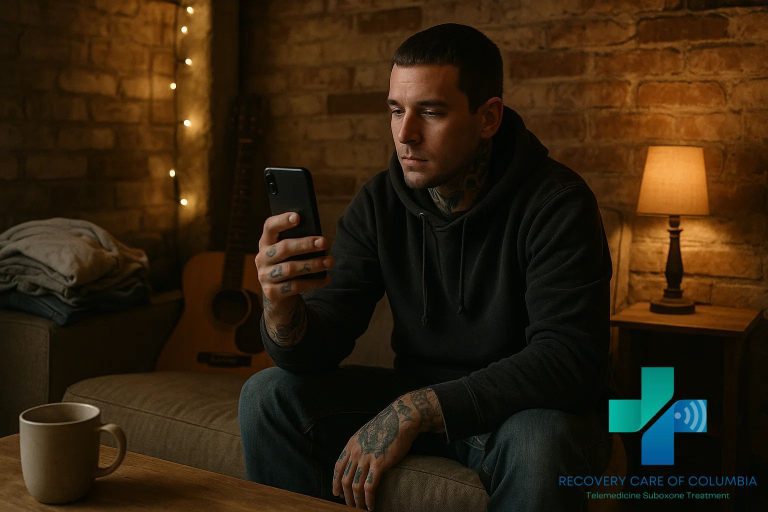
If you’re searching for how to taper off kratom, you may already feel trapped by dependence or worried about withdrawal symptoms. You are not alone. At Recovery Care of Columbia, we’ve helped more than 1,000 people across Tennessee—including residents of Nashville, Memphis, Clarksville, Savannah, and Cookeville—safely transition from kratom and other opioids to lasting recovery.
Our telemedicine-based program combines same-day Suboxone® prescriptions with compassionate counseling, giving you the tools to break free from addiction without ever visiting a clinic.
Why Quitting Kratom Matters
Kratom may seem “natural,” but the U.S. Food and Drug Administration (FDA) warns it can cause dependence, withdrawal, and even deadly overdose when combined with other substances (FDA statement). The Drug Enforcement Administration (DEA) lists kratom as a “drug of concern,” and the Substance Abuse and Mental Health Services Administration (SAMHSA) reports growing ER visits linked to kratom use.
Left untreated, kratom addiction can lead to:
- Intense cravings and relapse
- Legal problems and job loss
- Risk of overdose or death, especially when mixed with opioids or alcohol
100% Online, Accredited Kratom/7-Hydroxy Addiction Treatment for Tennessee Residents
Recovery Care of Columbia delivers evidence-based Suboxone treatment through secure telemedicine, staffed by licensed Tennessee clinicians. No clinic visits required.
- Serving all communities across Tennessee
- Accredited by The Joint Commission
- Owned and operated by people in long-term recovery who live in Tennessee
Register for telemedicine Suboxone treatment using your TennCare Medicaid, commercial insurance, or choose a payment plan. (A sliding-scale program is also available) Click here if you’re a returning patient.
Understanding Kratom Withdrawal
Symptoms often resemble opioid withdrawal and may include:
- Anxiety and irritability
- Muscle aches and insomnia
- Nausea, sweating, and rapid heartbeat
These effects can be severe for people ages 18 and above, making a guided taper crucial.
Using Insurance for Kratom or Suboxone Treatment
If you’re struggling with kratom or 7-OH withdrawal, cost may be a concern—but many patients are surprised to learn that treatment is often covered by insurance.
Recovery Care of Columbia accepts BCBS, Anthem, Ascension, and TennCare Medicaid plans like BlueCare, Amerigroup Community Care and Wellpoint Community Care, with most Medicaid patients paying $0 out-of-pocket.
Treatment is fast, private, and fully online, with same-day appointments often available.
👉 Use your insurance to start treatment today:
Start Online Suboxone or Kratom Treatment Using Insurance
How to Taper Off Kratom Safely
A kratom taper is a gradual reduction in use intended to reduce the abrupt change that can occur when someone stops suddenly. There is no single taper schedule that is appropriate for every person, and people using concentrated extracts or 7-OH products may have very different needs from people using lower-potency leaf products.
A safer taper discussion usually considers:
- Your current pattern of use. Track the product, amount, frequency and timing so you and a clinician can understand your baseline.
- The product’s potency. Powdered leaf, extracts and concentrated 7-OH products should not be treated as though they are equivalent.
- Withdrawal symptoms. Increasing anxiety, insomnia, gastrointestinal symptoms, sweating, restlessness and cravings may indicate that the current approach needs reassessment.
- Other opioid exposure. Using fentanyl, prescription opioids, methadone or other opioid substances can materially change the situation.
- Whether tapering is actually working. Repeated unsuccessful attempts, rapidly returning to the prior amount or using additional substances to control withdrawal are reasons to seek professional help.
Do not copy a stranger’s exact taper schedule from a forum or social-media post. A schedule that was tolerable for another person may not match your product, dependence level, health history or co-occurring substance use.
When a Kratom Taper Is Not Working
A taper may need professional reassessment when you repeatedly return to the previous amount, cannot function because of withdrawal, begin using higher-potency products to compensate, combine kratom with other opioids or sedatives, or feel unable to control your use despite wanting to stop.
People using concentrated 7-OH products should be especially cautious about assuming that a conventional kratom taper found online applies to them. Product potency and dependence can differ substantially.
Professional treatment does not automatically mean that medication will be prescribed. A clinician can review your symptoms, substance-use history and treatment goals and discuss appropriate options.
If tapering repeatedly fails or withdrawal becomes difficult to manage, treatment for kratom and 7-OH dependence may be a safer next step.
Tip: Tapering is most successful with medical oversight. Recovery Care of Columbia can prescribe Suboxone on the same day as your first appointment and deliver it to your local pharmacy or even overnight to your home.
Kratom Telemedicine Addiction Treatment for Tennessee
- Accredited by The Joint Commission
- Clinic owners are in long-term recovery
- Over 125 five-star Google Reviews (from actual patients)
- Awarded Tennessee’s first Virtual OBOT medical license
- 1000+ patients served in 2025 between clinics
- 2025 regional award winner for the “Best Substance Abuse Facility” by Best of Tennessee
- Same-day Suboxone prescriptions
- A kind, non-judgemental staff, some who are in recovery
- TennCare Medicaid and all major health insurance accepted
- Overnight Suboxone delivery available in most areas (the pharmacy charges a delivery fee)
- A compassionate team of caring doctors, nurse practitioners, counselors, and administrators who genuinely care about your recovery.
- No clinic visits, ever. 100% online/virtual Suboxone treatment statewide
- Same-day appointments available every Monday through Friday from 8:00 AM to 5:00 PM (based on availability)
- Evening appointments available every Monday and Wednesday until 9:00 PM
- Compassionate, stigma-free, judgement-free care
- No referral needed
Our kind staff is happy to answer any questions you may have. Call us or send us a text at (931) 548-3062, or message us securely using the Spruce Health mobile app.
Worried about starting online addiction treatment? Learn what to expect during your first Suboxone telemedicine appointment.
Insurance & Affordable Options
- Register with commercial insurance
- Register with TennCare Medicaid
- Self-pay registration
- Sliding-scale program
- View insurance & pricing
7-Hydroxymitragynine Use and Trends in 2026
In 2026, stronger kratom-derived products are becoming more common, especially products marketed around 7-hydroxymitragynine, often called 7-OH. These products are frequently sold in forms that feel more concentrated and more powerful than traditional kratom powder or capsules.
Many people do not realize how strong 7-OH can be until tolerance builds quickly and withdrawal becomes difficult to manage. Because these products may be marketed in misleading ways, some users underestimate the risk and begin using them more often than intended. What starts as curiosity, convenience, or self-treatment can rapidly turn into dependence.
What We’re Seeing in Patients Using 7-OH
In our clinical experience, patients using 7-OH often report a more intense pattern of dependence than people using standard kratom products alone. The progression can be fast, and many patients are caught off guard by how quickly their bodies adapt.
Common patterns we’re seeing include:
- Tolerance rising faster than expected
- Needing more frequent dosing to avoid feeling bad
- Withdrawal symptoms beginning sooner between doses
- Strong cravings that interfere with work, sleep, and daily life
- Difficulty tapering without medical support
Many patients describe 7-OH as something that seemed manageable at first, but became much harder to stop than they expected.
7-OH vs Kratom vs Suboxone
| Substance | Relative Strength | Risk of Dependence | Withdrawal Severity | Medical Oversight |
|---|---|---|---|---|
| Traditional Kratom | Moderate | Moderate to High | Moderate | No |
| 7-Hydroxymitragynine (7-OH) | High | High | High | No |
| Suboxone | Controlled and standardized | Low when prescribed | Managed under care | Yes |
One of the biggest differences is consistency. Kratom and 7-OH products are not standardized the way prescription treatment is. That means potency, effects, and withdrawal risk can vary widely, which makes quitting even more unpredictable.
Why 7-OH Can Be Harder to Quit
Many people assume 7-OH is just another form of kratom, but the real-world experience can feel much more intense. People often report stronger cravings, a faster return of withdrawal symptoms, and a shorter gap between doses before they begin to feel uncomfortable again.
That pattern can create a cycle where a person is not using 7-OH to get high—they are using it just to avoid feeling bad. Once that happens, dependence can become deeply entrenched.
What Withdrawal From 7-OH Can Feel Like
Withdrawal from 7-OH may include many of the same symptoms associated with kratom withdrawal, but patients often describe the experience as more abrupt and more difficult to tolerate.
Common symptoms may include:
- Anxiety or agitation
- Restlessness
- Muscle aches
- Insomnia
- Sweating
- Stomach upset
- Cravings
- Irritability
For some people, the hardest part is not just the physical symptoms, but how quickly the discomfort returns.
A Quote from a Kratom-Addicted Patient
“I weaned myself off heroin seven years ago and thought that was hard. Then came kratom with 7-OH – I thought it was natural, non-addictive, and wouldn’t be a problem. I was a fool thinking this knowing it gave me a buzz similar to heroin. I tried tapering off kratom over and over, but usually took more due to the horrible withdrawals, sickness, and stomach issues… Quitting heroin was ten times easier than quitting kratom/7-OH. This stuff is the devil.”
When It’s Time to Consider Treatment for 7-OH Dependence
If you are taking 7-OH more often than you planned, increasing your dose, or feeling sick between doses, it may be time to consider treatment.
You may benefit from professional help if:
- You wake up needing it to feel normal
- You have tried to cut back and couldn’t
- You feel withdrawal symptoms sooner than expected
- Your day is organized around avoiding discomfort
- The cycle is affecting your mood, work, sleep, or relationships
Treatment can help interrupt that cycle in a safer, more stable way.
FAQs: How to Taper Off Kratom
Is 7-hydroxymitragynine stronger than kratom?
Yes. Many users report that 7-OH feels significantly stronger than traditional kratom products.
Why does 7-OH seem harder to quit?
Because tolerance and dependence can build quickly, and withdrawal may return sooner between doses.
Can Suboxone help with 7-OH dependence?
Yes. Under medical supervision, Suboxone may help reduce withdrawal symptoms and cravings for people dependent on 7-OH.
How long does it take to taper off kratom?
Most people taper over 2–6 weeks, but your timeline depends on dose, duration, and personal health.
Can Suboxone help with kratom withdrawal?
Yes. Suboxone (buprenorphine/naloxone) can reduce cravings and virtually eliminate opioid-like withdrawal symptoms.
Is telemedicine treatment legal in Tennessee?
Absolutely. Recovery Care and Nashville Addiction Clinic were the first clinics in Tennessee to receive a virtual medical license for addiction treatment.
What if I don’t have transportation?
You never need to travel. All appointments, counseling, and prescriptions are handled online.
Begin Your Recovery Today
Whether you live in Jackson, Murfreesboro, or a rural Tennessee county, you can access treatment from your phone. Breaking free from kratom is possible—and we’re ready to help you start.
Call or text (931) 548-3062 to begin your TeleMAT journey today.
Start Kratom, 7-OH Addiction Treatment Now—Online Registration Takes Just Minutes
- TennCare Medicaid Kratom addiction treatment coverage
- Commercial insurance Kratom addiction program
- A payment plan for self-pay Kratom telemedicine treatment
- A sliding-scale program for eligible patients
Thanks to our unique virtual medical license, anyone living in East Tennessee, Middle Tennessee, or West Tennessee can safely and legally access online Suboxone treatment using any smartphone, tablet, or computer, without ever having to visit a clinic.
You can review insurance and pricing details before scheduling, so there are no surprises.
If you have TennCare Medicaid insurance, your treatment and medication costs are typically $0. If you have commercial health insurance, we will provide you with a treatment cost estimate before scheduling your first telemedicine appointment. If you don’t have health insurance, we offer biweekly and monthly payment plans.
Explore More Kratom/7-OH & Recovery Resources
- Ready to stop kratom safely? Learn exactly how to transition from kratom to Suboxone in Tennessee
- National Institute on Drug Abuse
- Centers for Disease Control and Prevention
- DEA.gov – Opioid Addiction Resources
- National Center on Substance Abuse and Child Welfare
- SAMHSA – Substance Abuse and Mental Health Services Administration
- Struggling with kratom withdrawal? Read our full Kratom Withdrawal & Treatment Guide in Tennessee
Related Articles
- Suboxone Withdrawal: What to Expect and Solutions for Managing It
- How to Stop Kratom Addiction: A Path to Lasting Recovery
- Kratom Withdrawal Treatment: Safe, Effective Options in Tennessee
- Kratom Addiction: Safe, Virtual Recovery Options in Tennessee
Remember: Opioid and kratom addiction can be life-threatening, but treatment works. Recovery Care of Columbia is here to help you taper off kratom safely, rebuild your life, and stay free from addiction.