

Columbia Suboxone Clinic Blog
What Is Naltrexone? Uses, Side Effects, and How It Works
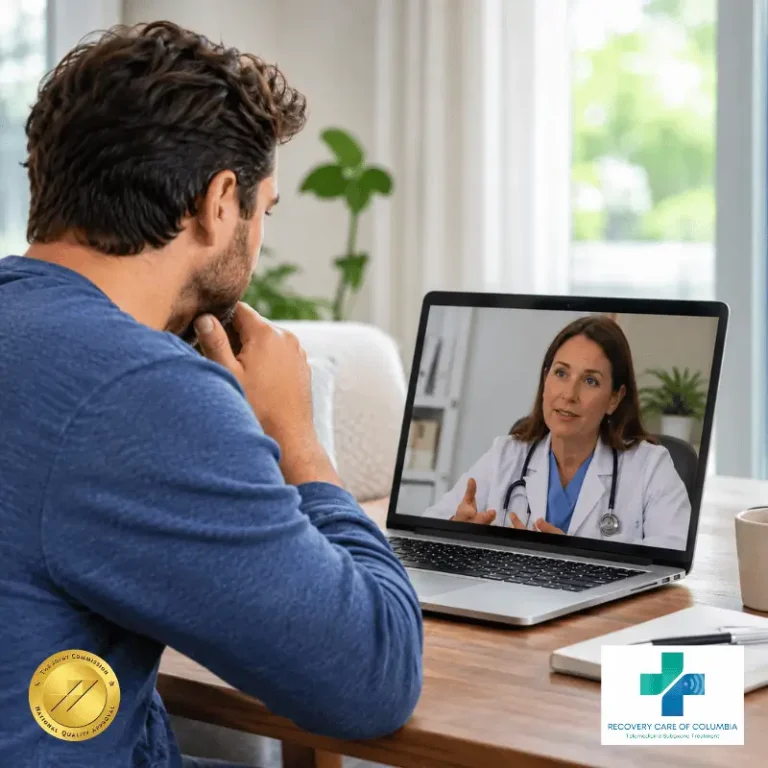
Naltrexone is a prescription medication used to treat opioid use disorder (OUD) and alcohol use disorder (AUD). It blocks opioid receptors in the brain. As a result, it can reduce the rewarding effects of opioids and alcohol.
Learning how these medications work can help you make informed choices about your care.
Unlike Suboxone and methadone, naltrexone doesn’t activate opioid receptors, it blocks them. Because of this difference, starting naltrexone also requires a different process.
Quick Facts About Naltrexone
- Drug class: Opioid receptor antagonist
- Main uses: Opioid use disorder and alcohol use disorder
- Available forms: Oral tablets and extended-release injections
- Common brand name: Vivitrol
- Addictive: No
- Controlled substance: No
- Relieves acute opioid withdrawal: No
- Opioid-free period required: Yes
- Prescription required: Yes
- Length of treatment: Based on individual health needs and recovery goals
Naltrexone vs. Suboxone vs. Methadone vs. Naloxone
Although these medications interact with opioid receptors, they have different roles in addiction treatment and overdose prevention.
| Feature | Naltrexone | Suboxone | Methadone | Naloxone |
|---|---|---|---|---|
| Drug class | Opioid antagonist | Partial agonist and antagonist combination | Full opioid agonist | Opioid antagonist |
| Main purpose | Support OUD/AUD treatment | Treat OUD | Treat OUD | Reverse opioid overdose |
| Helps relieve withdrawal symptoms | No | Yes | Yes | No |
| Helps manage cravings | May help | Yes | Yes | No |
| Extended opioid-free period required | Yes | Not usually | No | No |
| Can cause physical dependence | No | Yes | Yes | No |
| Used for ongoing OUD treatment | Yes | Yes | Yes | No |
| Available forms | Tablet, injection | Film, tablet | Oral medication | Nasal spray, injection |
Each medication works differently. Therefore, the right treatment depends on factors such as current opioid use, medical history, recovery goals, and the ability to start treatment safely.
What Is Naltrexone Used For?
Healthcare providers use naltrexone to treat opioid use disorder and alcohol use disorder. Depending on a person’s needs, medication may be combined with medical follow-up, counseling, peer support, or other recovery services.
How Does Naltrexone Help With Opioid Use Disorder?
Naltrexone blocks opioid receptors after a person has completed withdrawal and is no longer physically dependent on opioids.
For example, it can block or reduce the effects of opioids such as:
- Heroin
- Fentanyl
- Oxycodone
- Hydrocodone
- Morphine
- Codeine
By blocking opioid effects, naltrexone may help support continued recovery from opioid use.
However, naltrexone does not relieve acute opioid withdrawal. A person must complete an appropriate opioid-free period before starting treatment. A healthcare provider should determine when it is safe to begin.
How Does Naltrexone Help With Alcohol Use Disorder?
For people with alcohol use disorder, naltrexone can reduce alcohol cravings and the rewarding effects linked to drinking.
Alcohol affects several brain systems involved in reward and motivation. Naltrexone changes activity in the opioid receptor system. As a result, it can help some people reduce heavy drinking or remain alcohol-free.
However, naltrexone does not prevent intoxication or treat alcohol withdrawal. People who are physically dependent on alcohol may need medical care to manage withdrawal safely.
For extended-release injectable naltrexone, patients who receive treatment for alcohol dependence should be able to stop drinking before treatment begins. They also should not be actively drinking when they receive their first injection.
How Does Naltrexone Work?
Naltrexone belongs to a group of medications called opioid antagonists.
When someone uses an opioid, the drug attaches to opioid receptors in the brain and nervous system. This activity can produce pain relief, sedation, and feelings of pleasure.
In contrast, naltrexone attaches to opioid receptors without activating them. While the medication is active, it can reduce or block many effects that opioids would otherwise produce.
Because it does not activate opioid receptors, naltrexone does not produce an opioid-related high or cause opioid-type physical dependence.
Does Naltrexone Block All Opioid Effects?
Naltrexone can block many opioid effects. However, taking it does not protect someone from an opioid overdose.
Trying to overcome naltrexone’s blocking effects by taking large amounts of opioids can cause a life-threatening or fatal overdose.
For this reason, no one should view naltrexone as a safety net for opioid use.
Other medications used to treat OUD also interact with opioid receptors, but they work differently. RCC’s guide to how long Suboxone blocks opioids explains how buprenorphine interacts with these receptors.
Does Naltrexone Help With Cravings?
Naltrexone may help reduce alcohol cravings. It can also help some people with opioid cravings.
Still, physical dependence does not cause every craving. Stress, emotions, familiar places, social situations, and daily routines can also trigger the urge to use a substance.
Therefore, medication can be one part of a broader recovery plan. Other support may include counseling, peer support, and strategies for managing triggers.
What Are the Different Types of Naltrexone?
Naltrexone comes as an oral tablet and an extended-release injection. Both forms contain naltrexone. However, they differ in how people take them and how long they work.
What Is Oral Naltrexone?
Oral naltrexone is available as a generic prescription tablet.
Patients take the tablet on a prescribed schedule. Because oral treatment depends on taking the medication consistently, missed doses can reduce its benefits.
SAMHSA notes an important difference for OUD treatment. Although oral naltrexone also blocks opioid receptors, extended-release injectable naltrexone is the FDA-approved naltrexone form used as a medication for opioid use disorder.
What Is Vivitrol?
Vivitrol is the brand name for extended-release injectable naltrexone.
A healthcare professional gives the injection into a muscle in the buttock about once every four weeks.
Vivitrol is approved for alcohol dependence in appropriate patients. It is also approved to prevent a return to opioid dependence after opioid detoxification.
For someone who finds it difficult to take medication every day, the monthly form may be worth discussing with a healthcare provider.
| Feature | Oral Naltrexone | Extended-Release Naltrexone |
|---|---|---|
| How it is given | Oral tablet | Injection into a muscle |
| How often | Based on prescribed schedule, commonly daily | About every four weeks |
| Available as | Generic medication | Vivitrol |
| Daily medication required | Usually | No |
| Opioid-free period required | Yes | Yes |
| Practical consideration | Taking medication consistently | Keeping injection appointments |
Ultimately, the right form depends on medical history, treatment goals, access to medication, and personal preferences.
Naltrexone vs. Suboxone: What Is the Difference?
Naltrexone and Suboxone can both play a role in addiction treatment. However, they work in very different ways.
Suboxone contains two active ingredients:
- Buprenorphine: A partial opioid agonist that can reduce opioid withdrawal symptoms and cravings.
- Naloxone: An opioid antagonist included mainly to discourage certain forms of misuse.
Buprenorphine partially activates opioid receptors. By comparison, naltrexone blocks opioid receptors without activating them.
This difference affects both how treatment starts and how each medication supports recovery.
Is Naltrexone Better Than Suboxone?
There is no single medication that works best for everyone.
For example, Suboxone may be a practical option for someone who is physically dependent on opioids and needs help managing opioid withdrawal symptoms and cravings.
On the other hand, naltrexone may be an option for someone who has already completed opioid withdrawal and prefers an opioid-antagonist treatment.
The opioid-free period before naltrexone can create a major treatment barrier for some patients. In comparison, buprenorphine treatment generally does not require the same long opioid-free period. Still, healthcare providers must carefully time the start of buprenorphine treatment.
Also, physical dependence on a prescribed medication does not automatically mean someone has an addiction.
Treatment decisions should reflect a person’s health, current opioid use, medical history, preferences, and recovery goals.
Can You Take Naltrexone With Suboxone?
Doctors generally do not use naltrexone and Suboxone together as ongoing OUD medications.
Naltrexone blocks opioid receptors, so it can interfere with buprenorphine’s effects. In addition, giving naltrexone to someone who remains physically dependent on buprenorphine can trigger severe withdrawal.
If you are considering switching from Suboxone to naltrexone, work with your healthcare provider on a safe transition plan. Do not stop Suboxone or start naltrexone on your own.
For Tennessee residents considering buprenorphine treatment, Recovery Care of Columbia provides online Suboxone treatment throughout Tennessee.
Naltrexone vs. Naloxone: Are They the Same?
No. Despite their similar names, naltrexone and naloxone are different medications.
Healthcare providers use naltrexone as part of ongoing treatment for substance use disorders. In contrast, naloxone, commonly known by the brand name Narcan, is an emergency medication that rapidly reverses an opioid overdose.
Naloxone can restore breathing when opioids have dangerously slowed or stopped it. Meanwhile, naltrexone blocks opioid receptors for a longer period as part of ongoing treatment.
Naltrexone cannot replace naloxone during an opioid overdose emergency.
How to Start Naltrexone Treatment Safely
Starting naltrexone requires a medical review, especially if you recently used opioids or take a medication such as buprenorphine or methadone.
The process may include:
- Meet with your healthcare provider. Your provider reviews your health, substance-use history, medications, and treatment goals.
- Discuss recent opioid use. Tell your provider about recent fentanyl, heroin, prescription opioid, Suboxone, methadone, tramadol, or other opioid use.
- Complete the required opioid-free period. Your provider determines how long you need to remain opioid-free and whether you need medical support during withdrawal.
- Complete appropriate tests or assessments. Depending on your situation, your provider may order drug testing, liver testing, or other health checks.
- Review the available forms. Your provider can discuss whether oral or extended-release naltrexone may be right for you.
- Begin treatment under medical guidance. Follow your prescribed schedule and report any concerning symptoms or side effects.
- Continue your recovery plan. Follow-up care may include medical visits, counseling, peer support, and overdose-prevention planning.
These steps describe treatment under medical care. They are not instructions for managing opioid withdrawal on your own.
How Long Do You Need to Be Opioid-Free Before Taking Naltrexone?
According to SAMHSA guidance, patients generally need to remain opioid-free for the following periods before starting naltrexone:
| Type of Opioid | Typical Opioid-Free Period |
|---|---|
| Short-acting opioids | 7–10 days |
| Long-acting opioids | 10–14 days |
However, these are general guidelines. They do not guarantee that someone is ready to start treatment.
A healthcare provider may recommend a different waiting period based on factors such as:
- The opioid involved
- How often and how long the person used opioids
- Recent fentanyl exposure
- Previous buprenorphine or methadone treatment
- Current withdrawal symptoms
- Other health concerns
Even after the suggested time has passed, a healthcare provider may need to complete more checks before naltrexone can be started safely.
What Is Precipitated Withdrawal?
Precipitated withdrawal occurs when a medication quickly reduces opioid activity in someone who is still physically dependent on opioids.
For example, taking naltrexone too soon after opioid use can trigger this reaction.
Symptoms can include:
- Severe nausea or vomiting
- Diarrhea
- Stomach cramps
- Sweating
- Muscle aches
- Anxiety or restlessness
- Rapid heart rate
- Dehydration
Regular opioid withdrawal usually develops as opioid levels fall. In contrast, precipitated withdrawal can begin suddenly and become severe. Some people may need hospital care.
Because of this risk, medical review is essential before starting naltrexone.
What Are the Side Effects of Naltrexone?
Like other prescription medications, naltrexone can cause side effects. The exact risks vary based on the form of the medication and the person taking it.
What Are the Common Side Effects of Naltrexone?
Possible side effects include:
- Nausea
- Headache
- Dizziness
- Tiredness
- Trouble sleeping
- Stomach discomfort
- Reduced appetite
- Muscle or joint discomfort
In addition, people who receive injectable naltrexone can develop pain, swelling, tenderness, or other reactions at the injection site.
Talk with your healthcare provider if side effects become difficult to manage or interfere with daily life.
What Are the Serious Side Effects of Naltrexone?
Serious risks linked to naltrexone or extended-release injectable naltrexone can include:
- Liver injury
- Severe allergic reactions
- Serious injection-site reactions
- Depression or suicidal thoughts
- Precipitated opioid withdrawal
- Increased risk of opioid overdose
For example, ongoing stomach pain, yellowing of the skin or eyes, dark urine, or a worsening injection-site reaction may require medical attention.
Trouble breathing or severe swelling of the face or throat requires emergency care.
Also, tell your healthcare provider about new or worsening depression. If you are in immediate danger of harming yourself, seek emergency help.
What Happens If You Take Opioids While on Naltrexone?
Naltrexone may reduce or block the effects of opioids while the medication is active.
However, trying to overcome this block by taking larger amounts of opioids is extremely dangerous. Doing so can cause a life-threatening or fatal overdose.
Reduced opioid tolerance creates another concern. After a period without opioid use, the body may react to a smaller opioid dose than it could tolerate before.
Official Vivitrol prescribing information warns about a higher risk of overdose:
- Near the end of the monthly dosing period
- After a missed injection
- After stopping Vivitrol
- When someone tries to overcome the opioid blockade
As a result, an opioid dose that someone previously tolerated can become life-threatening.
Knowing how to use naloxone during a suspected opioid overdose and having naloxone available are important parts of overdose prevention.
If someone is unresponsive, has abnormal or stopped breathing, or may be experiencing an opioid overdose, call 911 and give naloxone if it is available. Even if the person responds to naloxone, they still need emergency medical care.
How Long Does Naltrexone Stay in Your System?
The length of time naltrexone remains active depends on the form, dose, and individual factors.
How Long Does Oral Naltrexone Last?
A commonly prescribed oral dose can block opioid effects for about 24 hours. However, patients should discuss their dosing schedule and expected duration with their healthcare provider.
Naltrexone and its breakdown products can remain in the body beyond the period when the medication’s main effects are expected.
In other words, drug detection time and the length of the medication’s effects are not the same thing.
How Long Does Injectable Naltrexone Last?
Extended-release naltrexone is designed to block opioid effects for about four weeks.
The medication slowly enters the body after the injection. Therefore, some drug exposure can continue beyond the usual monthly dosing period.
However, neither time frame should be used to decide when opioid use would be safe. Changes in opioid tolerance can create an overdose risk even as naltrexone’s blocking effects decrease.
Is Naltrexone Addictive?
No. Naltrexone is not considered addictive, and the federal government does not classify it as a controlled substance.
It does not produce an opioid-related high or cause opioid-type physical dependence. Also, stopping naltrexone does not typically cause physical withdrawal symptoms.
However, stopping treatment removes the medication’s opioid-blocking effects. If opioid use resumes after tolerance has fallen, overdose risk can increase.
Therefore, discuss treatment changes with your healthcare provider.
Who May Be a Candidate for Naltrexone?
Naltrexone may be an option for some people with opioid use disorder.
For example, a healthcare provider may consider it for people who:
- Have completed opioid withdrawal
- Can safely complete the required opioid-free period
- Prefer an opioid-antagonist treatment
- Can follow the prescribed medication or injection schedule
Naltrexone may also be an option for some people with alcohol use disorder.
However, it is generally not appropriate for people who:
- Are currently experiencing opioid withdrawal
- Remain physically dependent on opioids
- Currently need opioid pain medication
- Have a known allergy to naltrexone or ingredients in the medication
Pregnancy, breastfeeding, liver health, kidney health, pain-management needs, and other medical factors can also affect treatment decisions.
Therefore, a healthcare professional should decide whether naltrexone is right for your situation.
Can You Take Other Medications While on Naltrexone?
Many non-opioid medications can be used during naltrexone treatment. However, your healthcare provider should know about every prescription medication, over-the-counter product, and supplement you take.
For example, some medicines for pain, coughing, or diarrhea contain opioids. These products may not work normally while naltrexone blocks opioid receptors.
What If You Need Pain Medication While Taking Naltrexone?
Naltrexone can make opioid pain treatment more difficult.
Depending on the situation, healthcare providers may use non-opioid pain medications, regional anesthesia, or other methods.
If opioid pain treatment becomes medically necessary, healthcare teams may need to provide special monitoring and care.
For this reason, tell doctors, dentists, surgeons, anesthesia teams, and emergency clinicians that you take naltrexone. This is especially important before surgery or another procedure that may require pain control.
The Role of Naltrexone in Medication Treatment for Opioid Use Disorder
Medication treatment is an evidence-based part of care for opioid use disorder. Medication options for OUD include naltrexone, buprenorphine, and methadone.
However, these medications work differently.
Naltrexone blocks opioid receptors. In comparison, buprenorphine partially activates them, while methadone is a full opioid agonist used under specific treatment requirements.
Additional recovery support may include:
- Individual counseling
- Group therapy
- Behavioral health care
- Relapse-prevention planning
- Peer support
- Regular medical visits
The right combination of services varies from person to person. Therefore, treatment should reflect each person’s health needs, preferences, and recovery goals.
For people exploring opioid addiction treatment in Tennessee, understanding the differences between naltrexone and Suboxone can make conversations with a healthcare provider more useful.
Frequently Asked Questions About Naltrexone
Is Naltrexone an Opioid?
No. Naltrexone is an opioid antagonist. It blocks opioid receptors rather than activating them, so it does not produce an opioid-related high.
Is Naltrexone a Narcotic?
No. Naltrexone is not a narcotic pain medication. In addition, the federal government does not classify it as a controlled substance.
Does Naltrexone Make You Feel High?
No. Naltrexone does not produce an opioid-related high. However, some people can experience side effects such as dizziness, nausea, headache, or tiredness.
Does Naltrexone Help With Opioid Withdrawal?
No. Naltrexone does not relieve acute opioid withdrawal. In fact, taking it while someone remains physically dependent on opioids can trigger severe precipitated withdrawal.
Can Naltrexone Block Fentanyl?
Yes, naltrexone can block or reduce fentanyl’s effects at opioid receptors. However, that does not make fentanyl use safe. Trying to overcome naltrexone’s blocking effects with larger opioid doses can cause a fatal overdose.
Can You Drink Alcohol While Taking Naltrexone?
Naltrexone does not cause the same alcohol-related reaction linked to disulfiram. However, alcohol can still cause intoxication and other health problems. Therefore, follow your healthcare provider’s instructions about alcohol use during treatment.
Is Naltrexone the Same as Narcan?
No. Narcan contains naloxone, an emergency opioid-overdose reversal medication. In contrast, naltrexone supports ongoing treatment and cannot replace naloxone during an overdose emergency.
Is Vivitrol the Same as Naltrexone?
Vivitrol is a brand-name, extended-release injectable form of naltrexone. Naltrexone also comes as an oral medication.
Can Naltrexone Cause Weight Loss?
Some people have a reduced appetite while taking naltrexone. However, naltrexone alone is not FDA-approved as a weight-loss medication. A separate prescription medication that combines naltrexone with bupropion is approved for long-term weight management in appropriate patients.
What Is Low-Dose Naltrexone?
Low-dose naltrexone, often called LDN, refers to naltrexone taken at doses below those typically used for its approved substance-use indications. Researchers have studied it for other health conditions. However, these uses are generally off-label and differ from standard addiction treatment.
Does Naltrexone Show Up on a Drug Test?
Routine drug-testing panels generally do not test specifically for naltrexone. However, specialized tests can detect it. Tell the testing provider about medications you take.
What Happens If You Miss a Dose of Naltrexone?
A missed dose can reduce the medication’s opioid-blocking effects and may affect overdose risk. Therefore, contact your healthcare provider for instructions, especially if you have used opioids since your previous dose. Do not double a dose or restart treatment after opioid use without medical guidance.
Can You Stop Taking Naltrexone Suddenly?
Naltrexone generally does not require a gradual dose reduction to prevent physical withdrawal. However, stopping treatment removes its opioid-blocking effects. If opioid use resumes after tolerance has fallen, overdose risk can increase. Therefore, discuss plans to stop treatment with your healthcare provider.
Can You Switch From Suboxone to Naltrexone?
Yes, some patients can switch from Suboxone to naltrexone under medical supervision. However, they need an appropriate opioid-free period and medical review because starting naltrexone while physical dependence remains can trigger precipitated withdrawal.
Is Naltrexone a Cure for Addiction?
No single medication cures addiction. Instead, naltrexone is one treatment option that can help people manage substance use disorders. Recovery may also involve medical care, behavioral health services, peer support, and changes in daily routines and environment.
Find Opioid Addiction Treatment That Fits Your Needs in Tennessee
Naltrexone is one of several medications used in addiction treatment. Its opioid-blocking action makes it different from medications such as Suboxone and methadone.
For someone who has already completed opioid withdrawal, naltrexone may be an option to discuss with a healthcare provider. On the other hand, someone who is currently physically dependent on opioids may benefit from a medication such as buprenorphine that can help manage withdrawal symptoms and cravings.
Recovery Care of Columbia provides fully virtual Suboxone treatment for eligible adults throughout Tennessee. RCC accepts participating TennCare Medicaid and commercial insurance plans. Self-pay and sliding-scale options are also available. Contact RCC to confirm coverage and eligibility.
Call or text us today at (931) 548-3062 if you would like to discuss RCC’s virtual Suboxone program.
Request an Appointment Online
Choose the registration option that fits your situation:
- Register with TennCare Medicaid — typically $0 out-of-pocket for eligible patients
- Register with UHC Medicare Advantage
- Register with commercial insurance
- Register as a Self-Pay Patient
- Apply for our sliding-scale program
- Returning patients — restart treatment
Prefer to speak with someone first? Call or text us today at (931) 548-3062, or send us a secure message through the Spruce Health mobile app.
Medical References
- SAMHSA — Naltrexone: Uses, Side Effects, and Risks
- SAMHSA — TIP 63: Medications for Opioid Use Disorder
- DailyMed — Vivitrol Prescribing Information
Medical Disclaimer: This article is for educational purposes only and is not a substitute for professional medical advice, diagnosis, or treatment. Always consult a qualified healthcare provider before starting, stopping, or changing any medication.