

Columbia Suboxone Clinic Blog
Suboxone and Alcohol: Why Mixing Them Can Be Dangerous
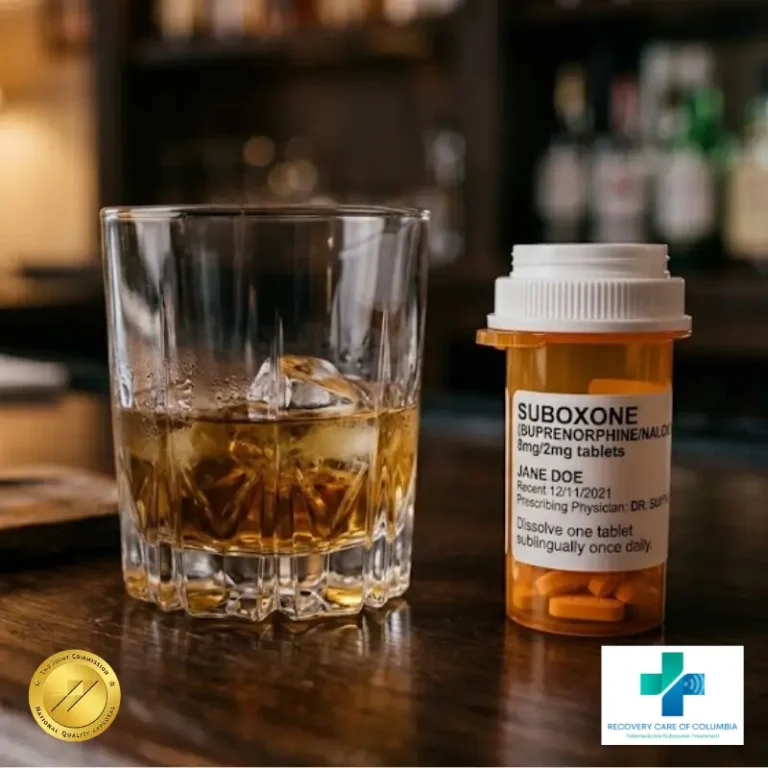
If you take Suboxone as part of treatment for opioid use disorder, you may wonder whether it is safe to drink alcohol. While having a drink may seem harmless, mixing Suboxone and alcohol can be dangerous because both substances can affect the central nervous system and slow important functions such as breathing.
Understanding the risks can help you make safer decisions while receiving treatment. If alcohol use has become difficult to control while you are taking Suboxone, talking openly with a healthcare professional can also help you find the right level of support.
Begin Online Treatment for Opioid, Kratom, 7-OH, or Tianeptine Addiction – No Matter Where You Live in Tennessee
Request an appointment online — from your phone, right now:
- Register with TennCare Medicaid – typically $0 out-of-pocket
- Register with UHC Medicare Advantage
- Register with commercial insurance
- Register as a Self-Pay Patient
- Apply for our sliding-scale program
- Returning patients – restart treatment
- Complete a brief intake assessment — our team will ask about your opioid, kratom/7-OH use, health history, and goals.
- Meet with a licensed provider virtually — typically within 24–48 hours.
- Receive your Suboxone prescription — sent to a pharmacy of your choice or delivered to your door.
- Begin ongoing virtual care — regular check-ins to adjust your treatment and support your recovery.
What Is Suboxone?
Suboxone is a prescription medication commonly used to treat opioid use disorder (OUD). It contains two medications:
- Buprenorphine, a partial opioid agonist that helps reduce opioid withdrawal symptoms and cravings.
- Naloxone, an opioid antagonist added primarily to discourage misuse of the medication.
Buprenorphine works differently from full opioid agonists such as heroin, fentanyl, or oxycodone. However, it still affects opioid receptors and can cause side effects including drowsiness and slowed breathing, particularly when combined with other substances that depress the central nervous system.
Suboxone is often used as one component of a broader treatment plan that may include counseling, behavioral healthcare, recovery support, and ongoing medical monitoring.
If you are considering medication-assisted treatment, learn more about online Suboxone treatment in Tennessee through Recovery Care of Columbia.
Can You Drink Alcohol While Taking Suboxone?
The Substance Abuse and Mental Health Services Administration (SAMHSA) advises people taking buprenorphine not to drink alcohol because combining these substances can increase the risk of dangerous side effects, including slowed breathing.
People taking Suboxone are generally advised to avoid alcohol unless their healthcare provider specifically tells them otherwise.
Alcohol is a central nervous system depressant. Buprenorphine also has depressant effects. When alcohol and Suboxone are taken together, their effects can become stronger and potentially dangerous.
SAMHSA advises people taking buprenorphine not to drink alcohol or use other drugs that slow breathing because combining these substances can contribute to overdose or death.
Learn more about Suboxone overdose symptoms and warning signs.
Even if a person has previously consumed alcohol while taking Suboxone without experiencing a serious reaction, that does not mean future combinations will be safe.
What Happens When You Mix Suboxone and Alcohol?
Combining Suboxone and alcohol can increase several health risks.
Increased Drowsiness and Sedation
Both substances can cause sleepiness. Taking them together may lead to extreme drowsiness, confusion, impaired coordination, or difficulty staying awake.
This can increase the risk of falls, injuries, driving accidents, and other dangerous situations.
Slowed or Difficult Breathing
One of the most serious concerns is respiratory depression, meaning breathing becomes dangerously slow or shallow.
NIAAA reports that combining buprenorphine preparations with alcohol can contribute to respiratory depression, low blood pressure, profound sedation, and coma.
Severe respiratory depression can become life-threatening and requires immediate medical attention.
Low Blood Pressure
Suboxone and alcohol together may contribute to a significant decrease in blood pressure.
Someone experiencing low blood pressure may feel:
- Dizzy
- Weak
- Lightheaded
- Confused
- Faint
Loss of consciousness may occur in severe cases.
Impaired Judgment and Coordination
Alcohol already affects coordination, reaction time, judgment, and decision-making. Combining alcohol with medications that cause sedation can make these effects stronger.
This can make driving, operating machinery, or performing other activities requiring concentration especially dangerous.
Can Mixing Suboxone and Alcohol Cause an Overdose?
Yes. Mixing alcohol with opioid medications can increase the risk of overdose.
Alcohol and opioids both affect areas of the brain involved in essential functions such as breathing. Using them together can intensify these effects. NIAAA specifically warns that combining alcohol with opioids increases overdose risk.
An opioid overdose is a medical emergency.
Warning Signs of an Overdose
Possible signs include:
- Very slow or shallow breathing
- Difficulty waking up
- Unresponsiveness
- Extreme sleepiness
- Confusion
- Blue or pale lips or skin
- Choking or gurgling sounds
- Vomiting
- Loss of consciousness
If you believe someone may be experiencing an opioid overdose, call 911 immediately. If naloxone is available, administer it according to its instructions while waiting for emergency medical assistance. SAMHSA recommends immediate emergency action when opioid overdose is suspected.
What If You Accidentally Drink Alcohol While Taking Suboxone?
If you drank alcohol while taking Suboxone, avoid consuming additional alcohol and monitor yourself carefully for unusual symptoms.
Contact your prescribing healthcare provider or pharmacist for individualized guidance.
Seek emergency medical attention immediately if you experience symptoms such as severe drowsiness, difficulty breathing, fainting, confusion, or inability to stay awake.
Do not drive if you feel impaired.
Does the Amount of Alcohol Matter?
Greater alcohol consumption may increase the likelihood of serious effects, but there is no universal amount of alcohol that can be considered safe for everyone taking Suboxone.
Individual risk can depend on factors such as:
- Suboxone dosage
- Amount of alcohol consumed
- Other medications being taken
- Other substances used
- Liver function
- Age
- Overall health
- Individual tolerance
Because reactions can vary significantly, avoiding alcohol is the safer approach while taking Suboxone unless your healthcare provider recommends otherwise.
Patients who also use marijuana can learn more about cannabis and Suboxone interactions.
Alcohol Use During Opioid Addiction Treatment
Recovery from opioid use disorder often involves more than stopping opioid use. Some people may also struggle with alcohol or another substance.
Alcohol use can interfere with recovery by affecting judgment, mood, sleep, medication adherence, relationships, and the ability to follow a treatment plan.
If you find yourself drinking frequently while taking Suboxone, drinking more than you intended, or struggling to stop, consider discussing the situation with your treatment provider.
Being open about alcohol use allows your healthcare team to develop a treatment plan based on what is actually happening rather than what they assume is happening.
Getting Help for Opioid and Alcohol Use
Using alcohol while receiving medication treatment for opioid use disorder does not mean treatment has failed. It may mean your treatment plan needs additional support or adjustment.
Treatment may include medication management, counseling, behavioral therapies, recovery planning, and support for other substance use concerns.
Recovery Care of Columbia can help individuals seeking support for substance use and recovery understand available treatment options and determine appropriate next steps.
Seeking help early can reduce the risk of serious complications and support long-term recovery.
How Suboxone Treatment Works at Recovery Care
- Register online — choose TennCare, commercial insurance, or self-pay. It only takes about 10 minutes to register.
- Our staff verifies your insurance or payment — usually within 1 hour of your submission.
- Meet your Suboxone provider by video — using the Spruce Health app on your phone.
- Your prescription is sent immediately — to your preferred pharmacy, or delivered overnight to your door.
- Begin feeling better — many patients claim feeling substantially better within hours of their first dose. Our prescribers will make your transition to Suboxone as smooth as possible.
Get Started with Online Addiction Treatment Today—No Clinics, No Pharmacies
- All TennCare Medicaid accepted — If you have TennCare Medicaid, your Suboxone treatment may be covered at little to no cost to you.
- UHC Medicare Advantage accepted — If you have UnitedHealthcare Medicare Advantage patients, and are ready to begin your virtual addiction treatment.
- Most commercial insurance accepted — Most major commercial insurance plans cover medication-assisted treatment (MAT) for opioid addiction.
- Self-Pay payment plans — For patients with moderate to high income, with or without health insurance.
- Low-Cost Sliding Scale options — For patients who are uninsured or underinsured, Recovery Care offers income-based pricing so cost is never a barrier to getting help.
- Returning patient? — Restart your treatment by filling-in a short reinstatement form.
We serve patients throughout Tennessee — including rural areas where transportation is limited and addiction treatment clinics are hours away. Call or text us now at (931) 548-3062 to speak to someone about our 100% telemedicine Suboxone program.
Or, message us securely on the Spruce Health mobile app. We’re ready to help.
Frequently Asked Questions About Suboxone and Alcohol
1. Can you drink alcohol while taking Suboxone?
Alcohol is generally not recommended while taking Suboxone because combining alcohol with buprenorphine can increase sedation and respiratory depression. Talk with your prescribing provider about your individual situation.
2. What happens if you mix Suboxone and alcohol?
The combination may cause increased drowsiness, dizziness, impaired coordination, low blood pressure, slowed breathing, loss of consciousness, or overdose.
3. Can Suboxone and alcohol cause respiratory depression?
Yes. Both can suppress the central nervous system, and combining them can increase the risk of dangerously slow or shallow breathing.
4. Can Suboxone and alcohol cause an overdose?
Yes. Combining alcohol with buprenorphine can increase overdose risk, especially when other sedating substances are also involved.
5. Is one drink safe while taking Suboxone?
There is no single amount that can be guaranteed safe for everyone. Factors such as dosage, health conditions, medications, and individual response can influence risk. Discuss alcohol use with your healthcare provider.
6. What should I do if I drank alcohol after taking Suboxone?
Stop drinking and monitor for concerning symptoms. Contact your healthcare provider or pharmacist for guidance. If you experience severe drowsiness, slowed breathing, unconsciousness, or other serious symptoms, call 911.
7. How long after taking Suboxone can I drink alcohol?
Buprenorphine remains in the body for an extended period, so simply waiting several hours does not necessarily remove the risk. Ask your prescribing healthcare provider before drinking alcohol.
8. Does alcohol make Suboxone stronger?
Alcohol can intensify some of Suboxone’s central nervous system effects, particularly sedation and respiratory depression. This can make the combination unpredictable and potentially dangerous.
9. Can alcohol interfere with Suboxone treatment?
Alcohol use may complicate recovery by impairing judgment, affecting medication adherence, increasing health risks, or contributing to additional substance use problems.
10. Should I stop taking Suboxone if I have been drinking alcohol?
Do not abruptly change or discontinue prescribed Suboxone without talking to your healthcare provider. Stopping medication unexpectedly can interfere with opioid use disorder treatment. Contact your prescriber for individualized advice.
Take the Next Step Toward Recovery
Mixing Suboxone and alcohol can lead to dangerous side effects, including excessive sedation, slowed breathing, loss of consciousness, and overdose. Avoiding alcohol while taking Suboxone and communicating openly with your healthcare provider can help protect your health and support your recovery.
If alcohol or opioid use is becoming difficult to manage, help is available. Contact Recovery Care of Columbia to learn more about treatment options and support for substance use recovery.