

Columbia Suboxone Clinic Blog
Can You Overdose on Suboxone? Risks, Warning Signs, and What to Do
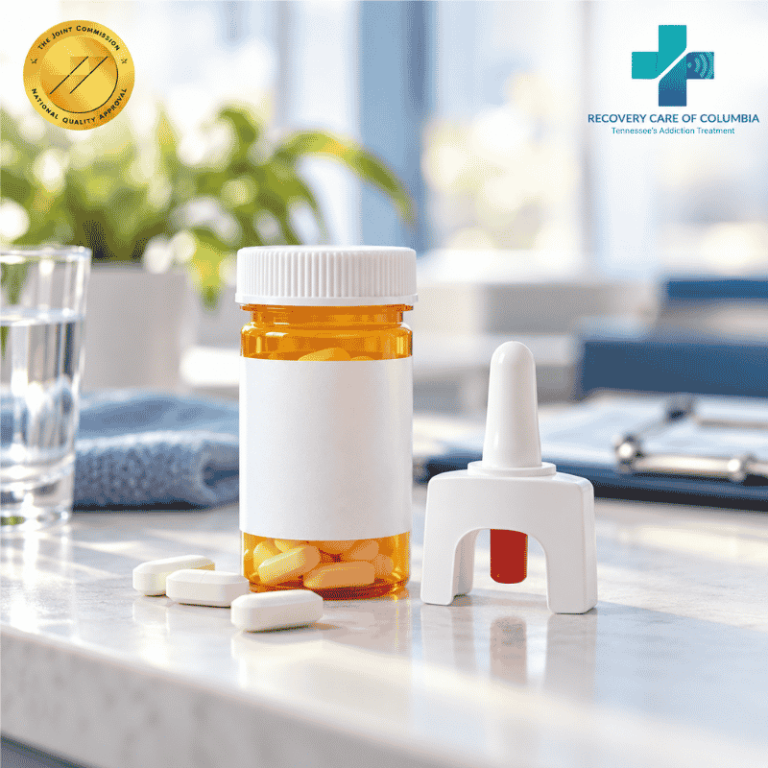
Yes, a Suboxone overdose is possible, although the risk depends in part on how someone takes the medication and whether they combine it with other substances.
Suboxone contains buprenorphine and naloxone. Healthcare professionals use buprenorphine to treat opioid use disorder. When people take it as prescribed, it can reduce opioid cravings and withdrawal symptoms and support ongoing recovery.
However, buprenorphine can still cause serious breathing problems, particularly when someone misuses Suboxone, accidentally takes it, or combines it with alcohol, benzodiazepines, other opioids, or other substances that slow the central nervous system.
A suspected overdose is a medical emergency. If you cannot wake someone, or the person has very slow or stopped breathing or shows other signs of opioid overdose, call 911 immediately and give naloxone if you have it. SAMHSA provides additional guidance on recognizing and responding to an opioid overdose.
Can You Overdose on Suboxone?
Yes. A person can overdose on Suboxone because buprenorphine affects opioid receptors and can suppress breathing.
Buprenorphine is a partial opioid agonist. Its effects differ from those of full opioid agonists such as heroin, fentanyl, oxycodone, and morphine. Some of buprenorphine’s opioid effects have a ceiling effect, which can reduce certain risks compared with full opioid agonists.
That does not mean Suboxone cannot cause an overdose.
Buprenorphine can cause serious respiratory depression, profound sedation, coma, and death, particularly when someone combines it with other substances that also slow brain activity and breathing. The FDA prescribing information for Suboxone provides detailed warnings about respiratory depression and the risks of combining buprenorphine with central nervous system depressants.
Take Suboxone exactly as your healthcare professional directs. Do not independently increase, decrease, skip, or stop your medication because of concerns about overdose risk.
What Happens During a Suboxone Overdose?
The most serious concern during a Suboxone overdose is respiratory depression.
Respiratory depression causes dangerously slow, shallow, or irregular breathing. In severe cases, breathing may stop altogether. Without enough oxygen, the brain and other organs can quickly suffer injury.
An overdose can also cause profound drowsiness and loss of consciousness.
Someone experiencing an opioid overdose may not recognize what is happening or may become physically unable to seek help. Family members, friends, and caregivers should know the warning signs and understand how to respond.
Suboxone Overdose Symptoms and Warning Signs
Possible signs of a Suboxone or other opioid overdose include:
- Extreme sleepiness or inability to stay awake
- Inability to wake the person
- Very slow, shallow, irregular, or stopped breathing
- Limp body
- Pale, clammy, bluish, grayish, or ashen skin
- Blue or purple lips or fingernails
- Gurgling, choking, or unusual snoring sounds
- Vomiting
- Slow or absent heartbeat
- Inability to speak or respond normally
- Loss of consciousness
You do not need to determine exactly which opioid or medication caused the problem before taking action.
If you suspect an opioid overdose, treat it as an emergency.
Can Suboxone Cause Respiratory Depression?
Yes. Buprenorphine can cause respiratory depression.
The risk becomes particularly important when someone combines Suboxone with medications or substances that also depress the central nervous system.
Central nervous system depressants can slow brain activity, alertness, coordination, and breathing. Combining them with an opioid medication can produce substantially greater sedation and breathing suppression.
People with underlying breathing problems may also need additional clinical consideration and monitoring when they use buprenorphine.
Tell your healthcare professional about all prescription medications, over-the-counter medicines, supplements, alcohol use, and other substances you use. Your provider can then evaluate potential interactions.
What Increases the Risk of a Suboxone Overdose?
Take Suboxone only as prescribed. Several situations can increase the risk of serious adverse effects or overdose.
Combining Suboxone With Benzodiazepines
Doctors may prescribe benzodiazepines for conditions such as anxiety, panic disorders, seizures, or insomnia.
Examples include medications containing:
- Alprazolam
- Diazepam
- Lorazepam
- Clonazepam
Combining buprenorphine with benzodiazepines can increase the risk of severe sedation and respiratory depression.
Do not abruptly stop a prescribed benzodiazepine without medical guidance. Sudden discontinuation can cause dangerous withdrawal symptoms in some people.
Instead, tell every healthcare professional involved in your care that you take Suboxone and discuss any benzodiazepine use with your treatment team.
Combining Suboxone With Alcohol
Alcohol also depresses the central nervous system.
Drinking alcohol while taking Suboxone can intensify sedation and increase the risk of slowed breathing, loss of consciousness, coma, and overdose. Read more about why mixing Suboxone and alcohol can be dangerous.
Discuss alcohol use openly with your healthcare professional rather than changing your Suboxone schedule on your own in an attempt to drink safely.
Skipping a dose or adjusting your medication without medical advice does not reliably eliminate the interaction risk.
Combining Suboxone With Other Opioids
Using other opioids while taking Suboxone can create serious risks.
These opioids may include prescription medications as well as illicit opioids such as heroin or fentanyl.
If you receive treatment for opioid use disorder, tell your healthcare professional about continued opioid use, cravings, or a return to opioid use. Your treatment team can determine whether you need additional support or changes to your treatment plan.
Do not attempt to manage these risks by changing your own Suboxone dose.
Combining Suboxone With Other Sedating Medications
Other medications and substances can also increase sedation or breathing problems when someone combines them with buprenorphine.
Examples may include certain:
- Sleep medications
- Sedatives
- Muscle relaxants
- Antipsychotic medications
- Gabapentinoids
- Other medicines that cause significant drowsiness
This does not mean you should automatically stop a prescribed medication.
Instead, make sure your clinicians know everything you take. Your healthcare team can evaluate the combination and determine whether you need additional monitoring or medication adjustments.
Taking Suboxone Differently Than Prescribed
Misusing Suboxone can increase medical risks.
Take the medication according to the method and schedule your healthcare professional prescribes. Do not take additional doses because withdrawal symptoms or cravings feel stronger unless your treatment provider specifically directs you to do so.
Discuss changes in cravings, withdrawal symptoms, side effects, or medication effectiveness with your prescribing clinician.
You can also learn more about how clinicians use Suboxone to treat opioid addiction.
Accidental Ingestion
Suboxone can cause serious harm when someone for whom it was not prescribed accidentally takes it, particularly a child.
Store Suboxone securely and keep it out of the sight and reach of children and other household members.
If accidental ingestion occurs, seek emergency medical help immediately.
What Should You Do If You Think Someone Overdosed on Suboxone?
A suspected opioid overdose requires immediate action.
1. Call 911
Call emergency medical services immediately if someone loses consciousness, does not wake up, or has slow, irregular, or stopped breathing.
Do not wait to see whether the person improves without help.
2. Give Naloxone If Available
Naloxone, commonly known by the brand name Narcan, can reverse an opioid overdose.
If you have naloxone and suspect an opioid overdose, give it according to the product instructions.
3. Support Breathing When Appropriate
If the person does not breathe normally, follow the emergency dispatcher’s instructions while help is on the way.
If you have appropriate CPR or rescue-breathing training, the dispatcher may instruct you to provide breathing support.
4. Stay With the Person
Stay with the person after giving naloxone.
Naloxone can wear off while the opioid remains active in the body, so overdose symptoms can return.
Continue monitoring the person’s breathing and responsiveness until emergency medical professionals arrive.
Does Narcan Work on a Suboxone Overdose?
Yes. You can give naloxone for a known or suspected overdose involving buprenorphine, including Suboxone.
Reversing buprenorphine’s effects can sometimes require additional or repeated doses of an opioid overdose reversal medication because buprenorphine binds strongly to opioid receptors and remains active for a relatively long time.
This is one reason the person still needs emergency medical care even if they wake up after receiving naloxone.
Naloxone is an emergency intervention, not a substitute for medical evaluation.
Should People Taking Suboxone Keep Naloxone Available?
People who receive medication treatment for opioid use disorder should discuss naloxone access with their healthcare professional.
Keeping naloxone available can provide an important layer of protection because people with opioid use disorder may remain vulnerable to overdose if they return to opioid use.
Family members and other people who spend significant time with someone at risk of opioid overdose can benefit from knowing:
- Where you store naloxone
- How to recognize an opioid overdose
- How to administer the specific naloxone product available
- When to call emergency services
- Why they need to continue monitoring the person after giving naloxone
What If You Accidentally Take Too Much Suboxone?
If you believe you took more Suboxone than prescribed, do not take additional medication to try to correct the situation.
Contact a healthcare professional or poison-control service promptly for guidance. If you develop extreme drowsiness, trouble staying awake, difficulty breathing, or other signs of overdose, call 911 immediately.
The appropriate response depends on factors such as how much medication you took, whether you used other medications or substances, your symptoms, and your individual health conditions.
Do not make your own medication adjustments after an accidental extra dose unless a healthcare professional instructs you to do so.
Should You Stop Taking Suboxone Because of Overdose Concerns?
Do not stop Suboxone abruptly or change your dose without speaking with the clinician who manages your treatment.
Clinicians use Suboxone to treat opioid use disorder, and appropriate treatment can help reduce opioid cravings and withdrawal symptoms.
Stopping medication without a treatment plan can allow withdrawal symptoms or cravings to return and may increase the likelihood of returning to opioid use.
If you have concerns about sedation, medication interactions, alcohol use, benzodiazepines, side effects, or your current Suboxone dose, tell your treatment provider.
Your provider can address the specific risk while continuing to help you manage opioid use disorder safely.
How to Reduce Suboxone Overdose Risk
You can take several practical steps to reduce risk while receiving Suboxone treatment:
- Take Suboxone exactly as prescribed.
- Do not take extra doses without guidance from your treatment provider.
- Avoid alcohol while taking Suboxone unless your healthcare professional has specifically discussed your situation with you.
- Tell your provider about benzodiazepines and other sedating medications.
- Tell all clinicians who treat you that you use buprenorphine.
- Discuss continued opioid or other substance use openly with your treatment team.
- Keep naloxone available and teach household members how to use it.
- Store Suboxone securely away from children and other people.
- Seek medical advice if your medication causes excessive sedation or other concerning effects.
- Never stop or change Suboxone treatment on your own.
Good communication with your treatment team plays an important role in medication safety.
Suboxone Treatment and Medication Safety
Questions about overdose do not necessarily mean Suboxone treatment is unsafe or inappropriate.
Buprenorphine is an established medication for opioid use disorder, but patients need to use it appropriately.
Safe treatment requires clinicians and patients to consider other medications, alcohol or substance use, medical conditions, side effects, and changes in recovery needs over time.
If you take Suboxone and have concerns about interactions, sedation, cravings, or medication safety, discuss them with your healthcare professional rather than changing your treatment on your own.
Tennessee residents who need help starting or continuing treatment can learn more about RCC’s virtual addiction treatment program.
Frequently Asked Questions About Suboxone Overdose
Can you overdose on Suboxone?
Yes. A Suboxone overdose is possible. Buprenorphine can cause respiratory depression and profound sedation, particularly when someone misuses it or combines it with alcohol, benzodiazepines, other opioids, or other central nervous system depressants.
Can you OD on Suboxone if you take it as prescribed?
Taking Suboxone exactly as prescribed helps reduce medication-related risk, but no opioid medication is completely risk-free. Certain medical conditions and substances that slow breathing can increase the risk. Tell your provider about all medications and substances you use.
What are the signs of a Suboxone overdose?
Warning signs may include extreme sleepiness, inability to wake up, very slow or stopped breathing, limpness, blue or gray lips or fingernails, gurgling or choking sounds, vomiting, or loss of consciousness. Call 911 immediately if you suspect an overdose.
Can Suboxone stop your breathing?
Buprenorphine can cause respiratory depression, which makes breathing dangerously slow or inadequate. Alcohol, benzodiazepines, sedatives, other opioids, and other central nervous system depressants can increase the risk.
Does Narcan work on Suboxone?
Yes. You can administer naloxone for a known or suspected buprenorphine overdose. Because buprenorphine binds strongly to opioid receptors and has a long duration of action, the person may need repeated doses of an opioid overdose reversal medication. They still need emergency medical care.
Can mixing Suboxone and alcohol cause an overdose?
Combining alcohol with buprenorphine can increase sedation and respiratory depression and can contribute to overdose, coma, or death. Discuss alcohol use with your healthcare professional rather than adjusting your Suboxone dose on your own.
Can Suboxone and benzodiazepines cause an overdose?
Using benzodiazepines with buprenorphine increases the risk of severe sedation, respiratory depression, overdose, and death. However, do not abruptly stop prescribed benzodiazepines without medical supervision. Your healthcare professionals can determine how to manage the medications safely.
What should I do if someone took too much Suboxone?
If the person has trouble breathing, does not wake up, loses consciousness, or shows other overdose signs, call 911 immediately and give naloxone if available. If the person has no emergency symptoms but may have taken more medication than prescribed, contact a healthcare professional or poison-control service promptly for guidance.
Should I skip my next Suboxone dose if I accidentally took too much?
Do not decide on your own whether to skip, reduce, or change your next dose. Contact the healthcare professional who manages your Suboxone treatment for individualized instructions. If you experience severe sleepiness, breathing problems, or other overdose symptoms, seek emergency help.
Is Suboxone safer than other opioids?
Buprenorphine has pharmacologic properties that differ from full opioid agonists, including a ceiling effect on some opioid effects. However, serious respiratory depression and overdose can still occur. Take Suboxone only as prescribed and take interactions with alcohol, benzodiazepines, and other central nervous system depressants seriously.
The Bottom Line
A Suboxone overdose can occur, and respiratory depression is the most serious concern. Combining Suboxone with alcohol, benzodiazepines, other opioids, or other medications and substances that cause sedation can increase the risk.
Know the warning signs of opioid overdose, keep naloxone available when appropriate, and call 911 immediately if you suspect an overdose.
At the same time, do not respond to overdose concerns by independently lowering, skipping, or stopping your prescribed Suboxone. Work with a qualified healthcare professional to manage medication safety and opioid use disorder treatment together.
If you have concerns about your Suboxone dose, medication interactions, alcohol or benzodiazepine use, excessive sleepiness, or other side effects, talk with your treatment team so they can help determine the safest next step.
Request an Appointment Online
If you live in Tennessee and want help with opioid use disorder, you can request an appointment with Recovery Care of Columbia from your phone:
- Register with TennCare Medicaid — typically $0 out-of-pocket
- Register with UHC Medicare Advantage
- Register with commercial insurance
- Register as a Self-Pay Patient
- Apply for our sliding-scale program
- Returning patients — restart treatment
Prefer to speak with someone first? Call or text us today at (931) 548-3062, or send us a secure message in the Spruce Health mobile app.
Related Articles
- Suboxone and Alcohol: Why Mixing Them Can Be Dangerous
- Suboxone and Alcohol: Can You Drink While Taking Suboxone?
- Suboxone Treatment in Dunlap, TN: Online Recovery for the Sequatchie Valley
- Buprenorphine vs Methadone: Which Treatment Is Right for Opioid Addiction?
- Opioid Overdose Response – Narcan / Naloxone Training Columbia TN