

Columbia Suboxone Clinic Blog
Suboxone and Alcohol: Can You Drink While Taking Suboxone?
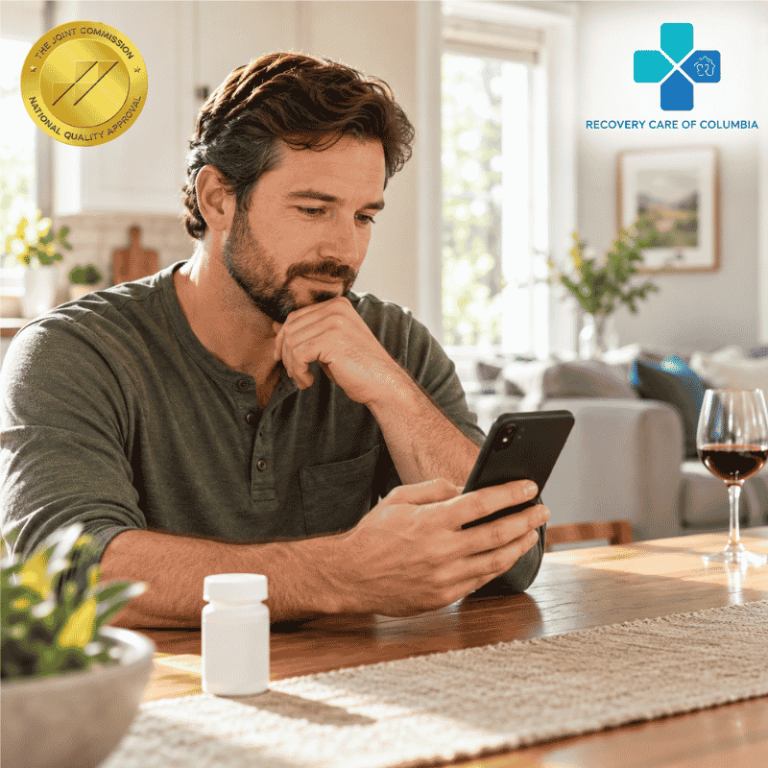
If you take Suboxone for opioid use disorder, you may wonder whether a drink at dinner is safe. The clear guidance is to avoid alcohol while taking Suboxone (buprenorphine and naloxone). Together, alcohol and buprenorphine can increase sedation and slow breathing.
This is a safety question, not a judgment about your recovery. If you have already had alcohol or if drinking is difficult to stop, your treatment team can help you decide what to do next.
Why Suboxone and Alcohol Are a Dangerous Combination
Suboxone contains buprenorphine, a medication that helps reduce opioid cravings and withdrawal. Alcohol can make its sedating effects stronger. The combination may cause unusual sleepiness, poor coordination, impaired judgment, and dangerous breathing problems.
Risk can rise further if you also take benzodiazepines, sleep medicines, gabapentin, other opioids, or other substances that cause drowsiness.
The MedlinePlus medication guidance for buprenorphine and naloxone says not to drink alcohol or take prescription or nonprescription medications containing alcohol while taking this medication.
If you are learning more about treatment itself, RCC’s telemedicine Suboxone treatment program in Tennessee explains how virtual opioid use disorder care works.
Can You Have Just One Drink on Suboxone?
There is no reliable amount of alcohol that can be promised safe for every person taking Suboxone. Your dose, other medications, health conditions, alcohol use, and individual response can all affect your risk.
Feeling fine after drinking on one occasion does not mean the same combination will be safe the next time. The safest recommendation is to avoid alcohol while taking Suboxone and ask your prescriber about your individual situation.
Do not skip, change, or abruptly stop prescribed Suboxone to make room for alcohol. Stopping buprenorphine suddenly can cause withdrawal and interfere with treatment for opioid use disorder. If you are considering changing or stopping treatment, read more about how a medically supervised Suboxone taper works and speak with your prescriber.
Warning Signs After Mixing Alcohol and Suboxone
Call 911 immediately if someone is:
- Hard or impossible to wake
- Breathing slowly, shallowly, or irregularly
- Making choking or gurgling sounds
- Unresponsive
- Developing blue, gray, or unusually pale lips or skin
These are recognized signs of a possible opioid overdose. The MedlinePlus opioid overdose guidance recommends calling 911 immediately and giving naloxone if it is available.
Naloxone can reverse opioid effects, but it does not treat alcohol poisoning. Emergency medical care is still necessary.
Even without obvious breathing problems, do not drive if you feel dizzy, sleepy, confused, or unsteady. If you drank alcohol while taking Suboxone and do not have emergency symptoms, contact your prescribing clinician or pharmacist promptly for individualized advice. Tell them about any other medications or substances you took.
What If You Drink Regularly?
Be honest with your care team about how much and how often you drink. That information helps your provider evaluate medication interactions, withdrawal risk, and what type of support may be appropriate.
If you have been drinking heavily or regularly for a long time, do not assume that suddenly stopping alcohol is always safe. Alcohol withdrawal can become medically serious and may include seizures. Seek medical advice before attempting to stop heavy, prolonged alcohol use on your own.
A return to drinking does not mean you should abandon opioid use disorder treatment. Contact your provider, explain what happened, and ask for a practical next step. Continuing evidence-based opioid treatment may be important, and a clinician should guide any medication changes.
Does the Naloxone in Suboxone Protect You From Alcohol?
No. The naloxone contained in Suboxone does not make drinking alcohol with buprenorphine safe.
Suboxone combines buprenorphine with naloxone, but the naloxone component is not a built-in antidote that protects you from the sedating effects of alcohol. It also does not prevent alcohol poisoning.
Emergency naloxone products are used when an opioid overdose is suspected. If someone has signs of an overdose after using Suboxone, alcohol, or other substances, give emergency naloxone if available and call 911.
Getting Support in Tennessee
Recovery Care of Columbia provides 100% telemedicine Suboxone treatment for Tennessee residents. A provider can review your substance use, medications, potential interactions, and treatment needs without requiring an in-person clinic visit.
If you are considering treatment and want to know what the process involves, you can also review what to expect when starting online Suboxone treatment.
For questions about starting or continuing opioid use disorder treatment, call or text Recovery Care of Columbia at (931) 548-3062. If you have signs of an overdose, severe breathing problems, seizures, or another medical emergency, call 911 instead of waiting for an appointment.
Request an Appointment Online
If you want help with opioid use disorder, you can request an appointment online from your phone:
- Register with TennCare Medicaid — typically $0 out-of-pocket
- Register with UHC Medicare Advantage
- Register with commercial insurance
- Register as a Self-Pay Patient
- Apply for our sliding-scale program
- Returning patients — restart treatment
After registration, RCC’s team will review your intake information and help arrange the appropriate next steps for virtual care.
Prefer to speak with someone first? Call or text us today at (931) 548-3062, or send us a secure message in the Spruce Health mobile app.
Frequently Asked Questions About Suboxone and Alcohol
1. Can you drink alcohol while taking Suboxone?
Medication guidance advises against drinking alcohol during buprenorphine and naloxone treatment because the combination can increase sedation and the risk of dangerous breathing problems.
2. What happens if I accidentally drink while on Suboxone?
Do not drink more alcohol, drive, or take additional sedating substances. Seek emergency help for slow or difficult breathing, severe sleepiness, unresponsiveness, or difficulty waking. Otherwise, contact your prescriber or pharmacist for advice specific to your situation.
3. Is one beer safe with Suboxone?
No amount of alcohol can be promised safe for everyone taking Suboxone. The safest recommendation is to avoid alcohol and discuss your individual circumstances with your clinician.
4. Should I skip my Suboxone dose if I plan to drink?
Do not change your prescription to accommodate drinking. Talk with your prescriber instead. Abruptly stopping buprenorphine can cause withdrawal and interfere with opioid use disorder treatment.
5. Does naloxone in Suboxone make drinking safe?
No. The naloxone in Suboxone does not protect you from the dangerous effects of combining alcohol with buprenorphine.
6. Can Suboxone and alcohol cause an overdose?
Yes. Mixing alcohol with buprenorphine can contribute to dangerous sedation and breathing problems, particularly when other sedating medications or substances are involved. Call 911 for a suspected overdose.
7. What if I also take a sleep medicine or anxiety medication?
Tell your prescriber about every medication and substance you use. Benzodiazepines, sleep medicines, other opioids, and other central nervous system depressants may further increase sedation and breathing risk.
8. Can I stop Suboxone so I can drink?
Do not stop Suboxone without a medical plan. Talk with your prescriber about your alcohol use and any concerns you have about continuing treatment.
9. Can I get help for alcohol use while receiving Suboxone treatment?
Yes. Tell your treatment team about your alcohol use. They can assess your safety, including whether alcohol withdrawal could be a concern, and help determine an appropriate treatment plan.
10. When should I seek emergency help?
Call 911 if someone has slow or stopped breathing, cannot be awakened, has a seizure, becomes unresponsive, or develops other signs of a serious overdose or medical emergency. Give naloxone if available when an opioid overdose is suspected while waiting for emergency help.
This article provides general education and does not replace individualized medical advice. Medication decisions should be made with a licensed healthcare professional.