

Columbia Suboxone Clinic Blog
Kratom Cold Turkey Is Dangerous — Here’s the Safer Option
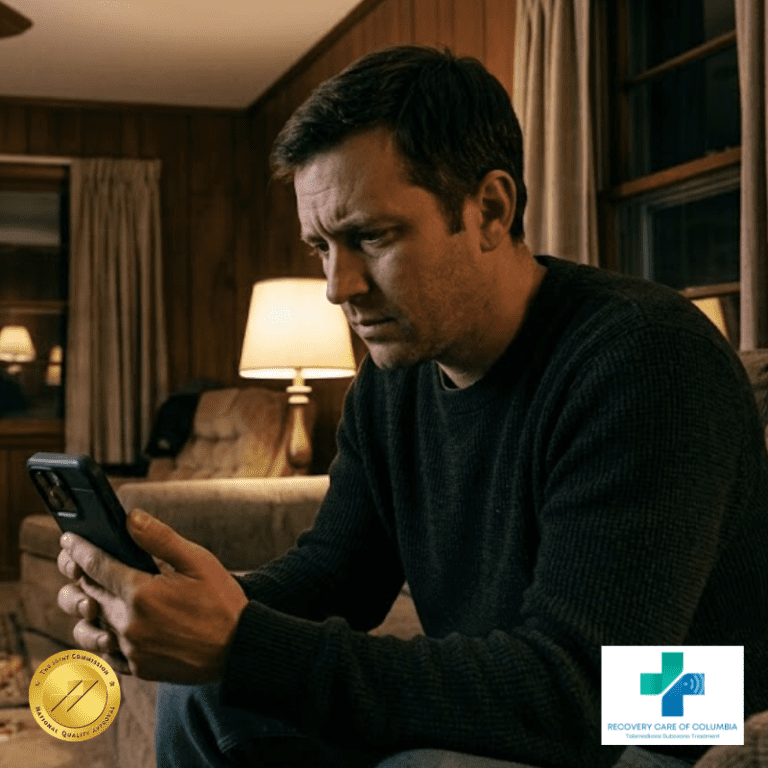
Kratom withdrawal can feel unbearable — and quitting cold turkey makes it worse. There’s a safer, proven path forward, and you can access it from home.
If you’ve been using kratom to manage pain, get through the day, or cope with life’s weight, and you’ve tried to stop — only to feel crushed by withdrawal symptoms — you’re not alone. Thousands of people across Tennessee are caught in the same cycle. What started as a “natural” supplement quickly became something you need just to feel normal.
Quitting kratom cold turkey is not only painful — it can be genuinely dangerous. But here’s what most people in Knoxville, Jackson, Murfreesboro, Clarksville, and Kingsport don’t know yet: there’s a medically supervised, completely virtual option that makes stopping far safer and far more manageable.
This article explains why kratom withdrawal is so hard, why cold turkey is a risky approach, and how Recovery Care of Columbia helps people across Tennessee transition safely — without ever visiting a clinic.
What Is Kratom and Why Is It Addictive?
Kratom (Mitragyna speciosa) is a plant-based substance that acts on the same opioid receptors in the brain as heroin, oxycodone, and fentanyl. At low doses, it produces stimulant effects. At higher doses — which most daily users eventually reach — it produces opioid-like effects: pain relief, sedation, and a sense of calm.
That’s exactly why kratom is addictive.
According to the Substance Abuse and Mental Health Services Administration (SAMHSA), kratom use has risen sharply across the U.S., and many people develop a physical dependence without fully realizing it. Because it’s sold legally in many Tennessee gas stations and smoke shops, users often don’t think of it as a “real drug” — until they try to stop.
How Kratom Affects Your Brain
- Binds to mu-opioid receptors — the same receptors targeted by prescription painkillers and heroin
- Suppresses natural endorphin production over time, making it harder for your brain to feel good without it
- Creates tolerance — meaning you need more to get the same effect
- Produces physical dependence — your body begins to “expect” kratom to function normally
When you suddenly stop, your brain and body go into shock. That’s kratom cold turkey withdrawal.
Why Kratom Cold Turkey Is So Dangerous
Quitting kratom cold turkey — meaning stopping abruptly without any medical support or tapering plan — triggers a withdrawal syndrome that is very similar to classic opioid withdrawal.
Kratom Cold Turkey Withdrawal Symptoms
Most people experience a combination of:
- Intense muscle aches and joint pain
- Severe nausea, vomiting, and diarrhea
- Uncontrollable sweating and chills
- Insomnia and restless leg syndrome
- Intense anxiety, depression, and irritability
- Heart palpitations and elevated blood pressure
- Powerful drug cravings that make relapse almost inevitable
These symptoms typically begin within 12–24 hours of the last dose and can last 7–14 days — with the worst symptoms peaking around days 2–4.
Learn more about the day-to-day stages of Kratom/7-Hydroxy withdrawal
The Hidden Risks of Going Cold Turkey
Beyond the misery of symptoms, kratom cold turkey creates serious risks:
- Dangerous dehydration from vomiting and diarrhea, especially in people with existing health conditions
- Cardiovascular stress from elevated heart rate and blood pressure — particularly dangerous for people over 40
- Severe depression and suicidal ideation during the psychological phase of withdrawal
- Near-certain relapse — the majority of people who attempt cold turkey return to use within days, often using more than before, which significantly raises overdose risk
If you’ve tried cold turkey and failed, it’s not a character flaw. Your brain’s chemistry made it nearly impossible to succeed that way.
The Safer Option: Medically Assisted Treatment With Suboxone
Suboxone (buprenorphine/naloxone) virtually eliminates kratom withdrawal symptoms and cravings — and it’s the gold standard treatment approved by the FDA for opioid use disorder, including kratom dependence.
Here’s how it works:
- Buprenorphine is a partial opioid agonist — it binds to the same receptors as kratom, but without producing a high
- It stabilizes your brain chemistry, eliminating the withdrawal shock of stopping kratom
- Naloxone discourages misuse
- Over time, with proper medical supervision, Suboxone doses are gradually reduced, helping your brain heal naturally
Many people are surprised by how quickly they feel better once they begin Suboxone treatment. The transition can happen in as little as 24–36 hours after your last kratom dose, with minimal discomfort when done under medical guidance.
Can Suboxone Really Help With Kratom?
Yes. Because kratom acts on opioid receptors, it responds to opioid use disorder treatment just like other opioids. Buprenorphine-based treatment is increasingly recognized as effective for kratom dependence, and medical providers experienced with kratom patients — like the team at Recovery Care of Columbia — know exactly how to guide you through the transition.
[Link to related content: What Is Suboxone and How Does It Work?]
Recovery Care of Columbia: Tennessee’s Virtual Addiction Treatment Pioneer
Recovery Care of Columbia is Tennessee’s first addiction treatment provider to receive a medical license for fully virtual treatment. That means:
- No clinic visits. Ever.
- No waiting rooms. No judgment. No need for transportation.
- Treatment happens entirely through your phone or device — wherever you are in Tennessee.
- Suboxone can be delivered directly to your door (a small delivery fee applies), so you never have to visit a pharmacy either.
For people in rural parts of Tennessee who may not have reliable transportation — or who can’t risk being seen walking into an addiction clinic — this is a life-changing option.
A Proven, Accredited Approach to Kratom Addiction Recovery
Here are just a few of the reasons people in all areas of Tennessee choose Recovery Care of Columbia for virtual addiction treatment:
- Joint Commission Accredited
- Clinic owners are in long-term recovery
- Over 125 five-star patient reviews on Google
- Tennessee’s first Virtual OBOT medical license
- Clinics treated over 1000 patients in 2025
- 2025 regional award winner for “Best Substance Abuse Facility” by Best of Tennessee
- TennCare Medicaid and all major health insurance accepted
- Overnight Suboxone delivery available in most areas (a delivery fee applies)
- A compassionate team of caring doctors, nurse practitioners, counselors, and administrators who genuinely care about your recovery.
- No clinic visits: 100% virtual addiction treatment anywhere in Tennessee
- Same-day appointments Monday through Friday, 8:00 AM to 5:00 PM (CST) based on availability
- Evening appointments available Mondays and Wednesdays until 9:00 PM
- Compassionate, stigma-free, judgement-free care
- No referral needed
Our kind staff is happy to answer any questions you may have. Call us or send us a text at (931) 548-3062, or message us securely using the Spruce Health mobile app.
Worried about starting online addiction treatment? Learn what to expect during your first Suboxone telemedicine appointment.
Who We Help
We treat patients struggling with kratom, heroin, fentanyl, oxycodone, OxyContin, Percocet, 7-OH (7-Hydroxy), and other opioids. Whether you’ve been buying kratom at a local shop, getting pills from a pain clinic, or purchasing Suboxone on the street just to avoid getting sick, we’ve seen it before — and we don’t judge.
We accept TennCare and most commercial insurance plans, and we work with patients on affordable self-pay options as well.
Does TennCare Cover Addiction Treatment in Tennessee?
How to Get Started With Virtual Suboxone Treatment
Starting treatment with Recovery Care of Columbia is simple:
- Call or request an appointment online — from your phone, right now
- Meet with a licensed provider virtually — typically within 24–48 hours
- Receive your Suboxone prescription — sent to a pharmacy of your choice or delivered to your door
- Begin ongoing virtual care — regular check-ins to adjust your treatment and support your recovery
Most patients begin to feel dramatically better within 24–72 hours of starting Suboxone.
Are you a returning patient? Restart your treatment
Thanks to our unique virtual medical license, anyone living in East Tennessee, Middle Tennessee, or West Tennessee can safely and legally access online Suboxone treatment using any smartphone, tablet, or computer, without ever having to visit a clinic.
If you’re struggling to afford outpatient addiction treatment (with or without health insurance), Apply for Low-Cost Treatment using our Sliding Scale Program.
What to Expect at Your First Virtual Appointment
FAQ: Kratom Cold Turkey and Suboxone Treatment
Q1: Is kratom withdrawal as bad as heroin withdrawal? Kratom withdrawal closely resembles opioid withdrawal because kratom binds to the same brain receptors as heroin and prescription painkillers. While many people describe kratom withdrawal as slightly less intense than heroin withdrawal, it is still extremely uncomfortable, can last 1–2 weeks, and carries real risks — especially for people with cardiovascular issues or mental health conditions. Cold turkey is not recommended without medical supervision.
Q2: Can Suboxone help with kratom withdrawal specifically? Yes. Because kratom acts on opioid receptors, it responds well to buprenorphine-based treatment. Suboxone stabilizes your brain chemistry and dramatically reduces or eliminates the physical symptoms of kratom withdrawal. Many patients feel relief within hours of their first dose.
Q3: Is it safe to quit kratom cold turkey at home? Quitting kratom cold turkey at home is risky and rarely successful. The withdrawal syndrome is intense enough to cause dangerous dehydration, cardiovascular stress, severe depression, and an overwhelming urge to relapse. Medically supervised treatment with Suboxone is significantly safer and more effective.
Q4: Will I have to come into a clinic for treatment? Not with Recovery Care of Columbia. We are Tennessee’s first fully licensed virtual addiction treatment provider. Every appointment happens through your phone or device, and your Suboxone prescription can be sent to a pharmacy or delivered directly to your door.
Q5: I have TennCare. Does it cover Suboxone treatment? In most cases, yes. TennCare covers medication-assisted treatment for opioid use disorder, including Suboxone. Our intake team will verify your insurance coverage during your initial call so there are no surprises.
Q6: How long will I need to be on Suboxone? Treatment length varies by individual. Some patients stabilize and taper off Suboxone within several months. Others benefit from longer-term maintenance therapy. Your provider will work with you to develop a plan that fits your goals, your health history, and your life circumstances — without judgment.
Q7: I’m embarrassed about my kratom use. Will I be judged? Absolutely not. Our providers understand that kratom addiction often develops gradually, and that many people don’t realize they’re dependent until they try to stop. We treat every patient with dignity, compassion, and privacy. Your records are fully protected under HIPAA.
Q8: What if I’ve also been using fentanyl or other opioids along with kratom? We treat poly-substance opioid dependence regularly. Whether you’ve been using kratom alongside fentanyl, heroin, oxycodone, or other opioids, our providers are experienced in managing complex cases. Please be honest with us during your intake — it only helps us give you better care.
Q9: Can I get treatment if I have a felony on my record? Yes. A prior record does not disqualify you from receiving addiction treatment at Recovery Care of Columbia. We are here to help you move forward — not to judge your past.
Q10: I don’t know if I’m ready. Can I just learn more first? Of course. You can call us, request information, or browse our website at no cost and with no commitment. Many of our patients weren’t sure they were ready the first time they reached out — and they’ll tell you that reaching out was the most important call they ever made.
You Don’t Have to White-Knuckle It Anymore
Kratom cold turkey is not the only option — and for most people, it’s the option least likely to work. If you’re tired of being dependent on a substance just to get through the day, if you’re hiding your use from the people you love, or if you’re ready to feel like yourself again — help is one phone call away.
Recovery Care of Columbia has helped people across Tennessee reclaim their lives through safe, private, medically supervised virtual treatment. No clinic. No waiting room. No shame.
Call us today or request an appointment online. Your phone is all you need to get started.
Quick Online Registration for Suboxone—No Clinic or Pharmacy Visits Required
Thanks to our unique virtual medical license, anyone living in East Tennessee, Middle Tennessee, or West Tennessee can safely and legally access online Suboxone treatment using any smartphone, tablet, or computer, without ever having to visit a clinic.
You can review insurance and pricing details before scheduling, so there are no surprises.
Call or text now: (931) 548-3062. Our friendly staff is happy to explain how our virtual “No Clinics, No Pharmacies” program works. Or, you can send a secure message using the Spruce Health mobile app. We’re ready to help when you’re ready to quit.
If you have TennCare Medicaid insurance, your treatment and medication costs are typically $0. If you have commercial health insurance, we will provide you with a treatment cost estimate before scheduling your first telemedicine appointment. If you don’t have health insurance, we offer biweekly and monthly payment plans.
Read More Addiction-Related Articles
- Kratom Withdrawal: Safe Treatment Options in Tennessee
- Kratom Withdrawal Treatment: Safe, Effective Options in Tennessee
- Virtual Treatment for Kratom Addiction: Effective Online Help
Explore More Kratom/7-OH & Recovery Resources
- Ready to stop kratom safely? Learn exactly how to transition from kratom to Suboxone in Tennessee
- National Institute on Drug Abuse
- Low-Cost Suboxone Treatment Using Sliding Scale
- DEA.gov – Opioid Addiction Resources
- National Center on Substance Abuse and Child Welfare
- SAMHSA – Substance Abuse and Mental Health Services Administration
Struggling with kratom withdrawal? Read our full Kratom Withdrawal & Treatment Guide in Tennessee