

Columbia Suboxone Clinic Blog
Is Kratom Habit Forming? Tennessee’s Virtual Recovery Answers
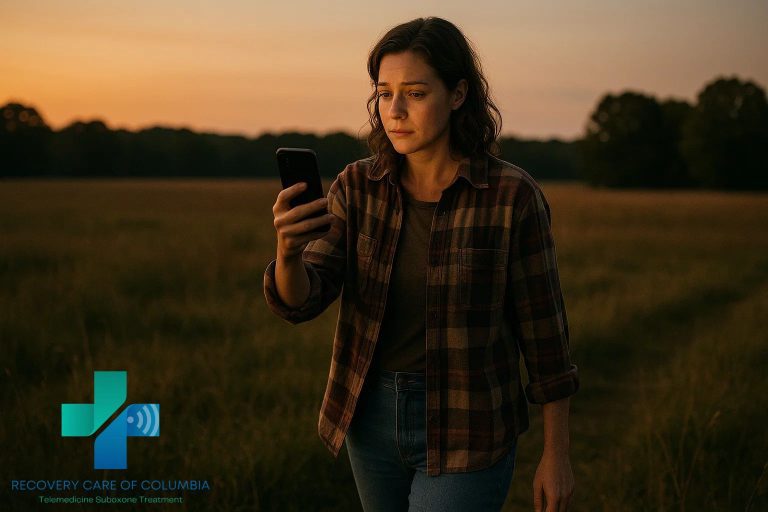
Is kratom habit forming? Many Tennesseans ask this question as they search for safe alternatives to opioids or struggle with kratom use themselves. While kratom is often marketed as “natural” or “safe,” research shows it can be addictive, leading to dependence, withdrawal, and serious health risks. If you or someone you love is caught in the cycle of kratom or opioid use, Recovery Care of Columbia is here with a proven, virtual treatment solution.
What is Kratom and Why Do People Use It?
Kratom is an herbal substance derived from the leaves of the Mitragyna speciosa tree, native to Southeast Asia. In low doses, it acts like a stimulant; in higher doses, it produces opioid-like effects.
Many people in Tennessee—whether in Columbia, Clarksville, Chattanooga, Knoxville, or Memphis—turn to kratom because they want relief from pain, stress, or opioid withdrawal. Unfortunately, because kratom interacts with the brain’s opioid receptors, it carries the same risks of dependence, withdrawal, and addiction.
The FDA, DEA, and SAMHSA have all warned that kratom is not an approved medication and can be habit forming, potentially leading to overdose or dangerous interactions with other drugs (FDA source).
Trusted Telemedicine Addiction Treatment for Kratom and 7-OH/7-Hydroxy Addiction in Tennessee
Recovery Care of Columbia provides evidence-based Suboxone treatment for Kratom/7-OH addiction through secure telemedicine, staffed by licensed Tennessee clinicians. No clinic visits required.
- Providing Kratom addiction treatment to all communities across Tennessee
- Accredited by The Joint Commission
- Helping patients learn how to transition from Kratom to Suboxone since 2024.
- Owned and operated by people in long-term recovery who live in Tennessee
- Publisher of Kratom & 7-OH Addiction: Causes, Risks, and How Suboxone Treatment Can Help
Register for telemedicine Suboxone treatment using your TennCare Medicaid, commercial insurance, or choose a payment plan. (A sliding-scale program is also available) Click here if you’re a returning patient.
Is Kratom Habit Forming?
Yes. Studies confirm that kratom is habit forming because it contains alkaloids that bind to the same receptors as opioids. Over time, people may need larger doses to achieve the same effects, leading to:
- Physical dependence
- Tolerance
- Withdrawal symptoms when stopping
- Increased risk of overdose, especially when mixed with opioids, alcohol, or benzodiazepines
Just like with oxycodone, heroin, or fentanyl, many people who start kratom use to “manage” withdrawal symptoms eventually find themselves dependent on it.
The Dangers of Kratom Addiction
While some people believe kratom is “safer” than opioids, the risks are serious:
- Overdose potential: Especially when mixed with other substances.
- Legal risks: Kratom is under DEA watch and could be scheduled federally.
- Withdrawal symptoms: Restlessness, sweating, body aches, depression, and cravings.
- Mental health impact: Anxiety, depression, and worsening emotional instability.
SAMHSA reports that substance use disorders—including kratom—can increase the risk of overdose and even death.
Safe Solutions: TeleMAT with Suboxone
At Recovery Care of Columbia, we know the struggle of dependence. That’s why we pioneered TeleMAT (Telemedicine Medication-Assisted Treatment) in Tennessee—the first clinic in the state to be licensed to provide addiction care entirely online.
How Our Virtual Suboxone Program Works
Choose your registration path:
- Register for virtual Suboxone treatment with TennCare Medicaid insurance
- Register for online Suboxone therapy using private health insurance
- Schedule virtual Suboxone treatment without health insurance
- Returning patient? Click here to restart your treatment
- Apply for our Sliding-Scale Program
- View all health insurance plans we accept
- View our affordable self-pay program with biweekly and monthly payments
- We accept all TennCare Medicaid insurance plans, including Amerigroup Community Care, BlueCare, United Healthcare Community Plan, and Wellpoint Community Care
- We accept all major commercial insurance (from your employer or Healthcare.gov) including BCBS, Cigna, Ambetter, and United Healthcare.
- Same-day appointments and Suboxone prescriptions are often available when fully-registered before 10:00 am Central Time. (based on availability)
Not sure if your insurance covers virtual addiction treatment? Check your insurance coverage now.
Experience a safe transition from hydrocodone, oxycodone, OxyContin, heroin, fentanyl, methadone, morphine, Kratom, 7-OH, 7-Hydroxy, Norcos, Roxicodone, Vicodin, Tianeptine, Tramadol, Opana, Percocet, codeine, oxymorphone, and other opioids.
Call or text us now at (931) 548-3062 to speak to someone about our telemedicine Suboxone program. Or, message us securely on the Spruce Health mobile app. We’re ready to help.
Who We Treat
We help adults 18 and above who struggle with opioid addiction or kratom dependence. Our patients are often:
- Parents who want to be present for their kids.
- Workers tired of chasing pills to stay stable.
- People with prior legal issues or hardships.
- Tennesseans in rural areas without reliable transportation.
- Those who tried quitting on their own but fear withdrawal.
FAQs About Kratom and Recovery
Is kratom habit forming like opioids?
Yes. Kratom can create dependence and addiction similar to prescription opioids.
What are common kratom withdrawal symptoms?
Anxiety, sweating, nausea, muscle aches, depression, and cravings.
Can Suboxone help with kratom withdrawal?
Yes. Suboxone can ease opioid-like withdrawal symptoms from kratom, making the transition safer and more comfortable.
How quickly can I start treatment?
At Recovery Care of Columbia, you can receive a prescription the same day as your first appointment.
Do I need to travel to a clinic?
No. With TeleMAT, all appointments are online—you never have to leave your home.
Why Patients Choose Recovery Care for Kratom Addiction Treatment
- Joint Commission Accredited
- Clinic co-owners are in long-term recovery
- Over 125 five-star patient reviews on Google
- Tennessee’s first Virtual OBOT medical license
- Clinics treated over 1000 patients in 2025
- Regional award winner in 2025 for “Best Substance Abuse Facility” by Best of Tennessee
- TennCare Medicaid and all major health insurance accepted
- Overnight Suboxone delivery available in most areas (a delivery fee applies)
- A compassionate team of caring doctors, nurse practitioners, counselors, and administrators who genuinely care about your recovery.
- No clinic visits, ever: 100% virtual Kratom/7-OH/7-Hydroxy treatment
- Same-day appointments and Suboxone prescriptions available every Monday through Friday from 8:00 AM to 5:00 PM (based on availability)
- Evening appointments available every Monday and Wednesday until 9:00 PM
- Compassionate, stigma-free, judgement-free care
- No referral needed
Our kind staff is happy to answer any questions you may have. Call us or send us a text at (931) 548-3062, or message us securely using the Spruce Health mobile app.
Suboxone works by eliminating opioid withdrawal and cravings—making the transition away from opioids or kratom much easier.
Related Articles
- Which is Cheaper: Active Addiction or Online Addiction Treatment?
- Kratom Dependence: A Growing Risk in Tennessee
- Kratom Withdrawal: Safe Treatment Options in Tennessee
Explore More Kratom/7-OH Recovery Resources
- Ready to stop kratom safely? Learn exactly how to transition from kratom to Suboxone in Tennessee
- National Institute on Drug Abuse
- Centers for Disease Control and Prevention
- DEA.gov – Opioid Addiction Resources
- National Center on Substance Abuse and Child Welfare
- SAMHSA – Substance Abuse and Mental Health Services Administration
Struggling with kratom withdrawal? Read our full Kratom Withdrawal & Treatment Guide in Tennessee